
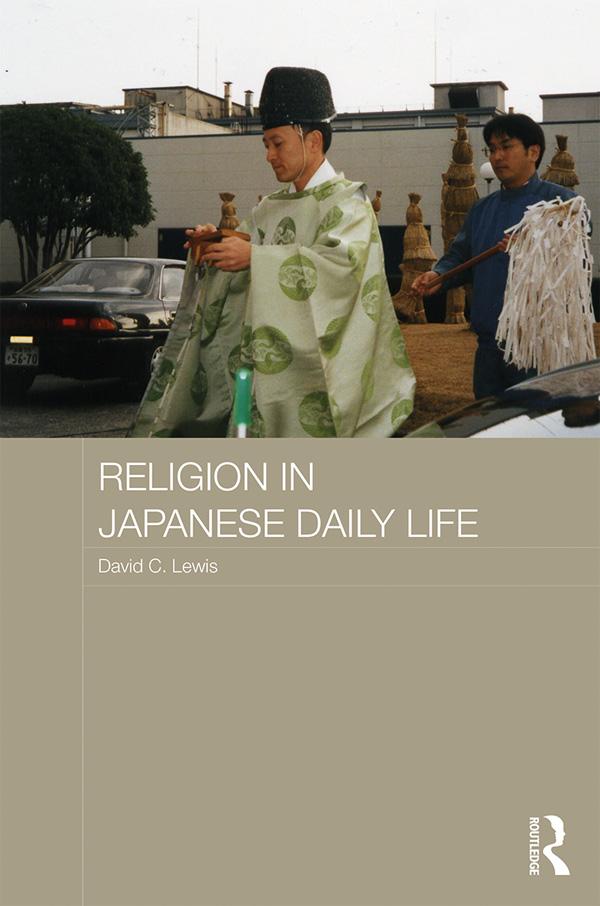
Are Japanese people religious – and, if so, in what ways? David Lewis addresses this question from the perspective of ordinary Japanese people in the context of their life cycles, and explores why they engage in religious activities. He not only discusses how Japanese people engage in different religious practices as they encounter new events in their lives but also analyses the attitudes and motivations behind their behaviour. Activities such as fortune-telling, religious rites in the workplace, ancestral rites and visits to shrines and temples are actually engaged in by many people who view themselves as ‘non- religious’ but express their motivations in terms other than the conventional ‘religious’ ones. This book outlines the religious options available, and assesses why people choose particular religious activities at various times in their lives or in specific circumstances. The author challenges some widespread assumptions about religion in urban and industrial contexts and also shows how some of the underlying motivations behind Japanese behaviour are expressed both in religious and non-religious forms.
Betal nemt med kort, Klarna, Apple Pay eller Google Pay. Ikke tilfreds? Du har altid 14 dages fortrydelsesret. Læs mere i vores vilkår. Har du spørgsmål, så send os en mail på hello@memmo.org.
Memmo gør det nemmere at studere – uanset hvor du er i verden. Hos os samler du dine kursusbøger og smarte studieværktøjer ét sted: resuméer, quizzer, podcasts og flashcards. Og så er der Ted, din studieven, der svarer på alt, du undrer dig over. Over 50 000 studerende studerer allerede her – bygget til at hjælpe dig med at lære hurtigere og stresse mindre.