
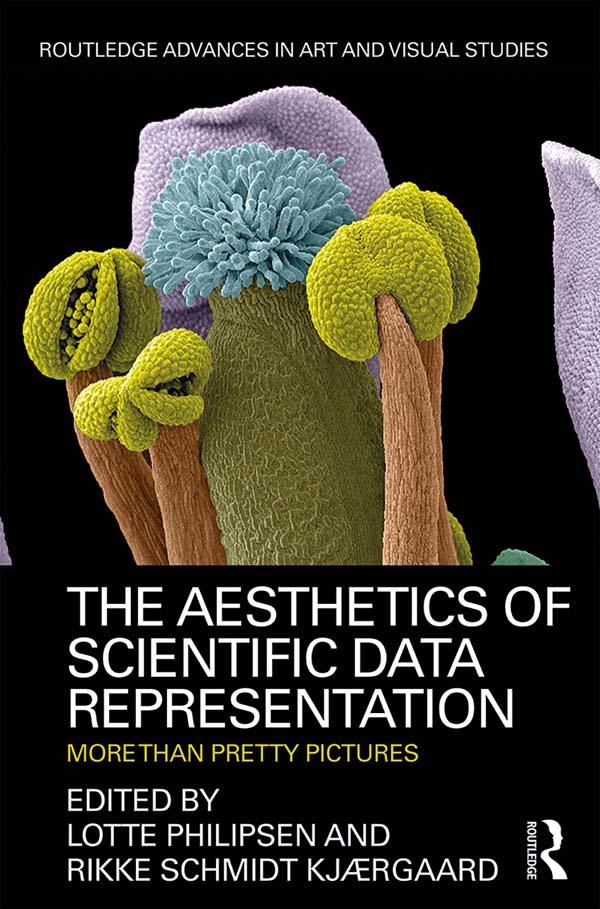
How can cartoon images aid in understanding bacterial biological processes? What prompts physicists to blur their images before showing them to biologists? Considering that the astronomer’s data consists solely of invisible, electric impulses, what is the difference between representing outer space as images, graphs, or sound? How does a work of contemporary art differ from a scientific image if we cannot visually distinguish between the two? How do aesthetics, art, and design influence scientific visualization and vice versa? This volume asks critically important questions about scientific data representation and provides significant insights to a field that is interdisciplinary in its very core. The authors investigate scientific data representation through the joint optics of the humanities and natural sciences. The volume particularly appeals to scholars in visual and aesthetic studies, data visualization, scientific illustration, experience culture, information design, and science communication.
Betal nemt med kort, Klarna, Apple Pay eller Google Pay. Ikke tilfreds? Du har altid 14 dages fortrydelsesret. Læs mere i vores vilkår. Har du spørgsmål, så send os en mail på hello@memmo.org.
Memmo gør det nemmere at studere – uanset hvor du er i verden. Hos os samler du dine kursusbøger og smarte studieværktøjer ét sted: resuméer, quizzer, podcasts og flashcards. Og så er der Ted, din studieven, der svarer på alt, du undrer dig over. Over 50 000 studerende studerer allerede her – bygget til at hjælpe dig med at lære hurtigere og stresse mindre.