
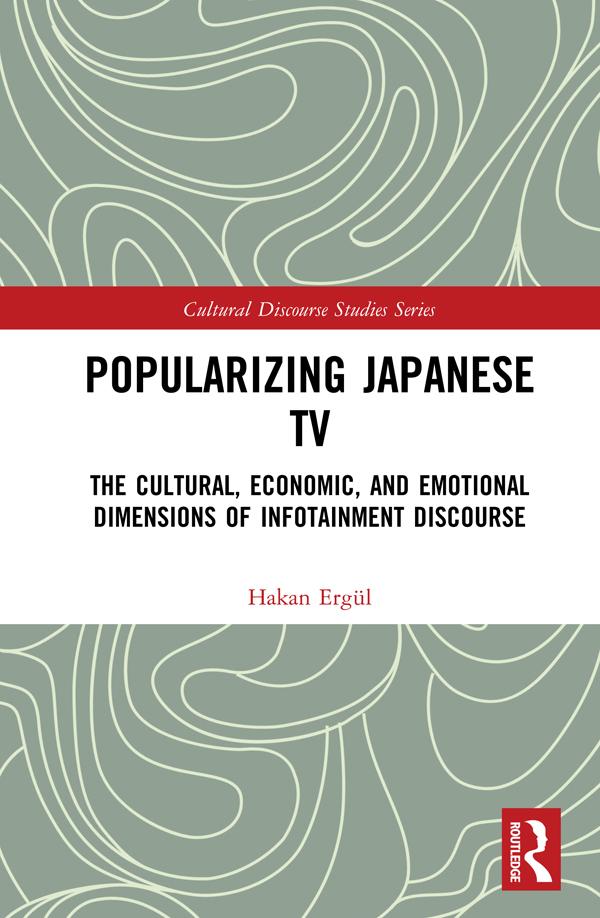
Over the past years, the view has emerged that Japanese TV is dominated by an infotainment mode of discourse. The book extends this view, detailing and interpreting the cultural, economic, and emotional dimensions of this communication phenomenon from an ethnographic perspective. It examines the complex ways in which infotainment works in an advanced capitalist society. As such, this is more than a book about Japan; it is a work that fits within media ethnography and cultural studies, and appeals to readers interested in the question of how television, at the heart of the global media stream, successfully turns into a persuasive, intimate, and powerful member of a televisual audience-family through carefully engineered televisual discourses, linguistic/non-linguistic component, audiovisual strategies, and economic and cultural elements.
Drawing on ethnographic observations in TV stations in two major cities, Sendai and Tokyo, the book reveals several essential components embedded within infotainment discourse. Thus, this book not only provides a panoramic picture of a core phenomenon in Japanese broadcasting since the 2000s but also discusses how both cultural discourses and economic considerations influence contemporary television broadcasting.
Betal nemt med kort, Klarna, Apple Pay eller Google Pay. Ikke tilfreds? Du har altid 14 dages fortrydelsesret. Læs mere i vores vilkår. Har du spørgsmål, så send os en mail på hello@memmo.org.
Memmo gør det nemmere at studere – uanset hvor du er i verden. Hos os samler du dine kursusbøger og smarte studieværktøjer ét sted: resuméer, quizzer, podcasts og flashcards. Og så er der Ted, din studieven, der svarer på alt, du undrer dig over. Over 50 000 studerende studerer allerede her – bygget til at hjælpe dig med at lære hurtigere og stresse mindre.