
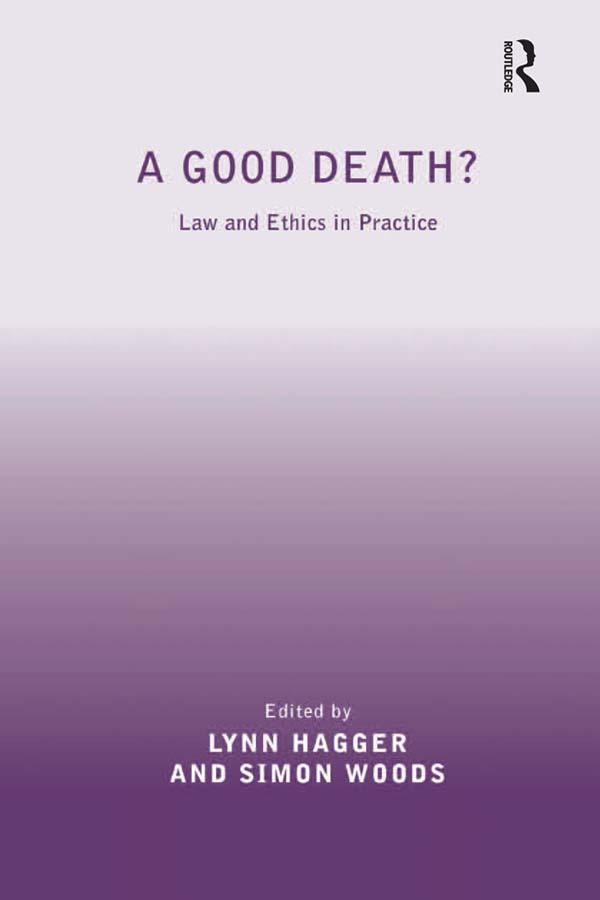
This interdisciplinary collection presents valuable discourse and reflection on the nature of a good death. Bringing together a leading judge and other legal scholars, philosophers, social scientists, practitioners and parents who present varying accounts of a good death, the chapters draw from personal experience as well as policy, practice and academic analysis. Covering themes such as patients’ rights to determine their own good death, considering their best interests when communication becomes difficult and the role and responsibilities of health professionals, the book outlines how ethical healthcare might be achieved when dealing with assisted suicide by organizations and how end of life services in general might be improved. It will be of interest to students and academics working the area of medical law and ethics as well as health professionals and policy-makers.
Betal nemt med kort, Klarna, Apple Pay eller Google Pay. Ikke tilfreds? Du har altid 14 dages fortrydelsesret. Læs mere i vores vilkår. Har du spørgsmål, så send os en mail på hello@memmo.org.
Memmo gør det nemmere at studere – uanset hvor du er i verden. Hos os samler du dine kursusbøger og smarte studieværktøjer ét sted: resuméer, quizzer, podcasts og flashcards. Og så er der Ted, din studieven, der svarer på alt, du undrer dig over. Over 50 000 studerende studerer allerede her – bygget til at hjælpe dig med at lære hurtigere og stresse mindre.
Du kan måske også lide
Køb bogen0