
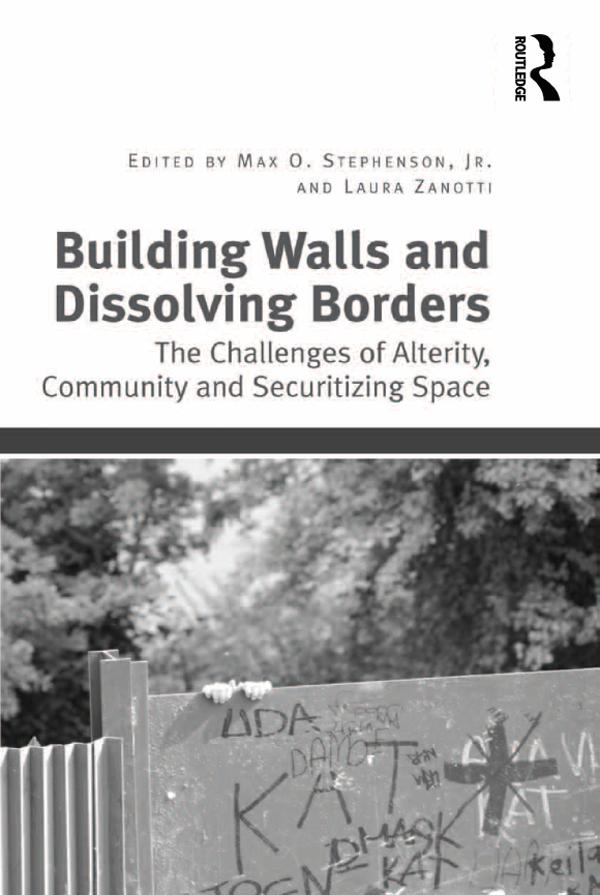
Walls play multiple social, political, economic and cultural roles and are linked to the fundamental question of how human beings live together. Globalization and urbanization have created high population density, rapid migration, growing poverty, income inequality and frequent discontent and conflict among heterogeneous populations. The writers in this volume explore how walls are changing in this era, when social containers have become porous, proximity has been redefined, circulation has intensified and the state as a way of organizing political life is being questioned. The authors analyze how walls articulate with other social boundaries to address feelings of vulnerability and anxiety and how they embody governmental processes, public and social contestation, fears and notions of identity and alterity. This book’s authors explore walls as the consequence of a changing web of social relationships. Whether walls are physical objects on the landscape or metaphors for difference among specific groups or communities, the writers consider them as heterotopias, powerful sites around which ways of living together are contested and transformed. They also investigate how architectural planning concerning walls may de facto become a means of waging war, as well as how demolishing walls may give way to new ways of imagining security.
Betal nemt med kort, Klarna, Apple Pay eller Google Pay. Ikke tilfreds? Du har altid 14 dages fortrydelsesret. Læs mere i vores vilkår. Har du spørgsmål, så send os en mail på hello@memmo.org.
Memmo gør det nemmere at studere – uanset hvor du er i verden. Hos os samler du dine kursusbøger og smarte studieværktøjer ét sted: resuméer, quizzer, podcasts og flashcards. Og så er der Ted, din studieven, der svarer på alt, du undrer dig over. Over 50 000 studerende studerer allerede her – bygget til at hjælpe dig med at lære hurtigere og stresse mindre.
Du kan måske også lide
Køb bogen0