
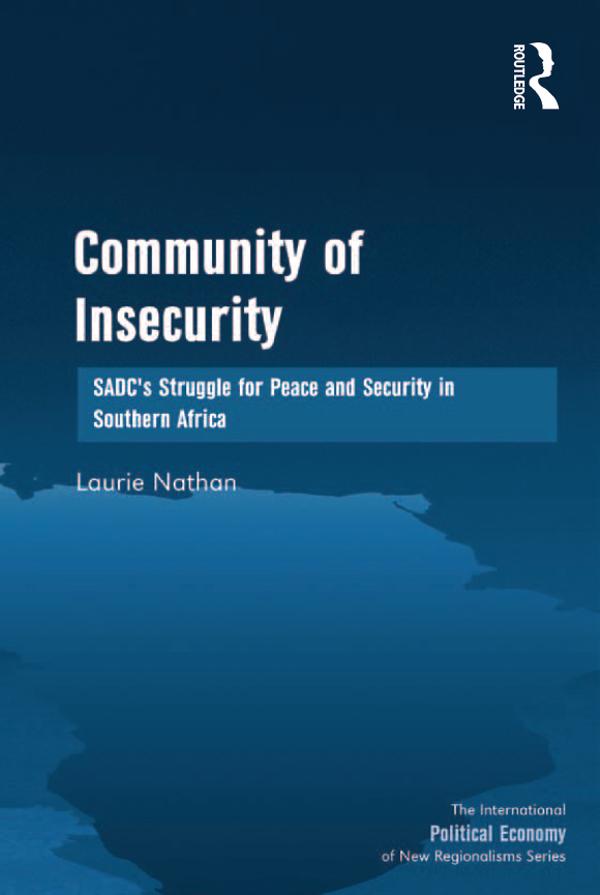
Exploring the formation, evolution and effectiveness of the regional security arrangements of the Southern African Development Community (SADC), Nathan examines a number of vital and troubling questions: * why has SADC struggled to establish a viable security regime? * why has it been unable to engage in successful peacemaking?, and * why has it defied the optimistic prognosis in the early 1990s that it would build a security community in Southern Africa? He argues that the answers to these questions lie in the absence of common values among member states, the weakness of these states and their unwillingness to surrender sovereignty to the regional organization. Paradoxically, the challenge of building a co-operative security regime lies more at the national level than at the regional level. The author's perspective is based on a unique mix of insider access, analytical rigour and accessible theory.
Betal nemt med kort, Klarna, Apple Pay eller Google Pay. Ikke tilfreds? Du har altid 14 dages fortrydelsesret. Læs mere i vores vilkår. Har du spørgsmål, så send os en mail på hello@memmo.org.
Memmo gør det nemmere at studere – uanset hvor du er i verden. Hos os samler du dine kursusbøger og smarte studieværktøjer ét sted: resuméer, quizzer, podcasts og flashcards. Og så er der Ted, din studieven, der svarer på alt, du undrer dig over. Over 50 000 studerende studerer allerede her – bygget til at hjælpe dig med at lære hurtigere og stresse mindre.
Du kan måske også lide
Køb bogen0