
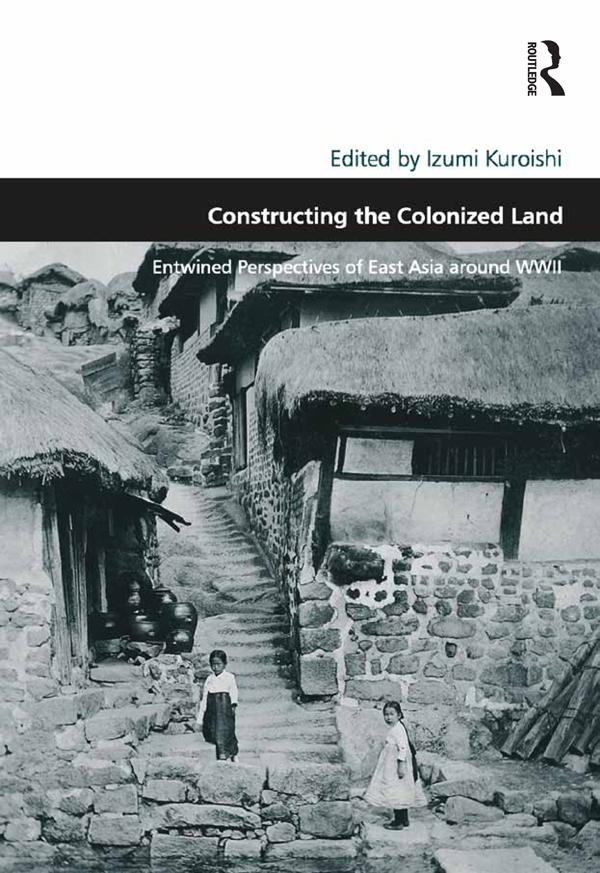
Despite the precipitous rise of East Asia as a center of architectural production since the Second World War, informed studies remain lacking. The lacuna is particularly conspicuous in terms of regional, cross-national studies, documenting the close ties and parallels between China, Taiwan, Japan and Korea during this period. Examining colonized cities in East Asia, this book brings together a range of different perspectives across both space and time. European, Chinese, Taiwanese, Korean and Japanese discourses are examined, with a range of complementary and conflicting views on the design of urban and architectural forms; the political, institutional, religious and economical contexts of urban planning; the role played by various media; and the influence of various geographical, social and anthropological research methods. The diversity and plurality of these perspectives in this book provides an entwined architectural, urban and social history of East Asia, which offers insights into the cultural systems and the historical and spatial meanings of these colonized cities. It concludes that the difficulties in the historical study of East Asia's colonial cities do not so much indicate cultural difference as the potentiality for multiple readings of the past toward the future.
Betal nemt med kort, Klarna, Apple Pay eller Google Pay. Ikke tilfreds? Du har altid 14 dages fortrydelsesret. Læs mere i vores vilkår. Har du spørgsmål, så send os en mail på hello@memmo.org.
Memmo gør det nemmere at studere – uanset hvor du er i verden. Hos os samler du dine kursusbøger og smarte studieværktøjer ét sted: resuméer, quizzer, podcasts og flashcards. Og så er der Ted, din studieven, der svarer på alt, du undrer dig over. Over 50 000 studerende studerer allerede her – bygget til at hjælpe dig med at lære hurtigere og stresse mindre.
Du kan måske også lide
Køb bogen0