
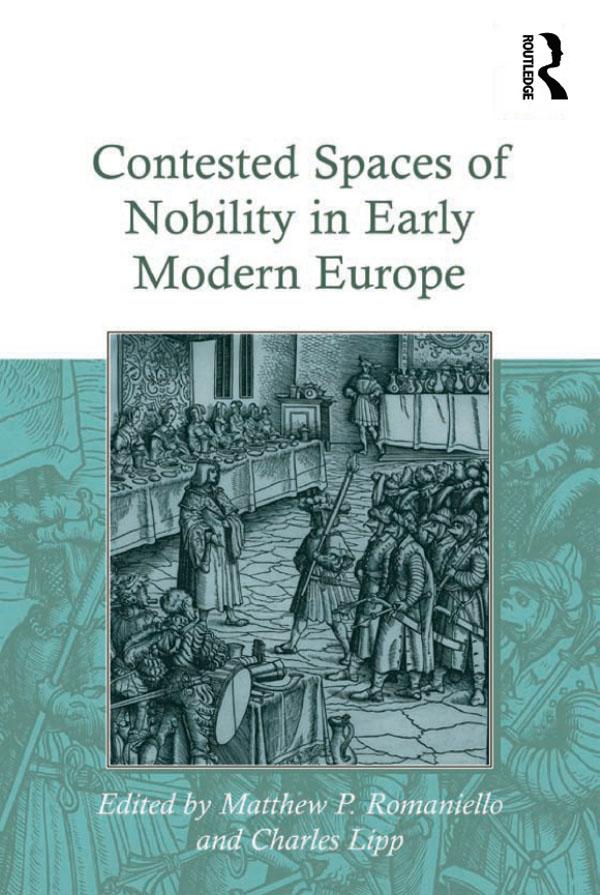
In recent years scholars have increasingly challenged and reassessed the once established concept of the 'crisis of the nobility' in early-modern Europe. Offering a range of case studies from countries across Europe this collection further expands our understanding of just how the nobility adapted to the rapidly changing social, political, religious and cultural circumstances around them. By allowing readers to compare and contrast a variety of case studies across a range of national and disciplinary boundaries, a fuller - if more complex - picture emerges of the strategies and actions employed by nobles to retain their influence and wealth. The nobility exploited Renaissance science and education, disruptions caused by war and religious strife, changing political ideas and concepts, the growth of a market economy, and the evolution of centralized states in order to maintain their lineage, reputation, and position. Through an examination of the differing strategies utilized to protect their status, this collection reveals much about the fundamental role of the 'second order' in European history and how they had to redefine the social and cultural 'spaces' in which they found themselves. By using a transnational and comparative approach to the study of the European nobility, the volume offers exciting new perspectives on this important, if often misunderstood, social group.
Betal nemt med kort, Klarna, Apple Pay eller Google Pay. Ikke tilfreds? Du har altid 14 dages fortrydelsesret. Læs mere i vores vilkår. Har du spørgsmål, så send os en mail på hello@memmo.org.
Memmo gør det nemmere at studere – uanset hvor du er i verden. Hos os samler du dine kursusbøger og smarte studieværktøjer ét sted: resuméer, quizzer, podcasts og flashcards. Og så er der Ted, din studieven, der svarer på alt, du undrer dig over. Over 50 000 studerende studerer allerede her – bygget til at hjælpe dig med at lære hurtigere og stresse mindre.
Du kan måske også lide
Køb bogen0