
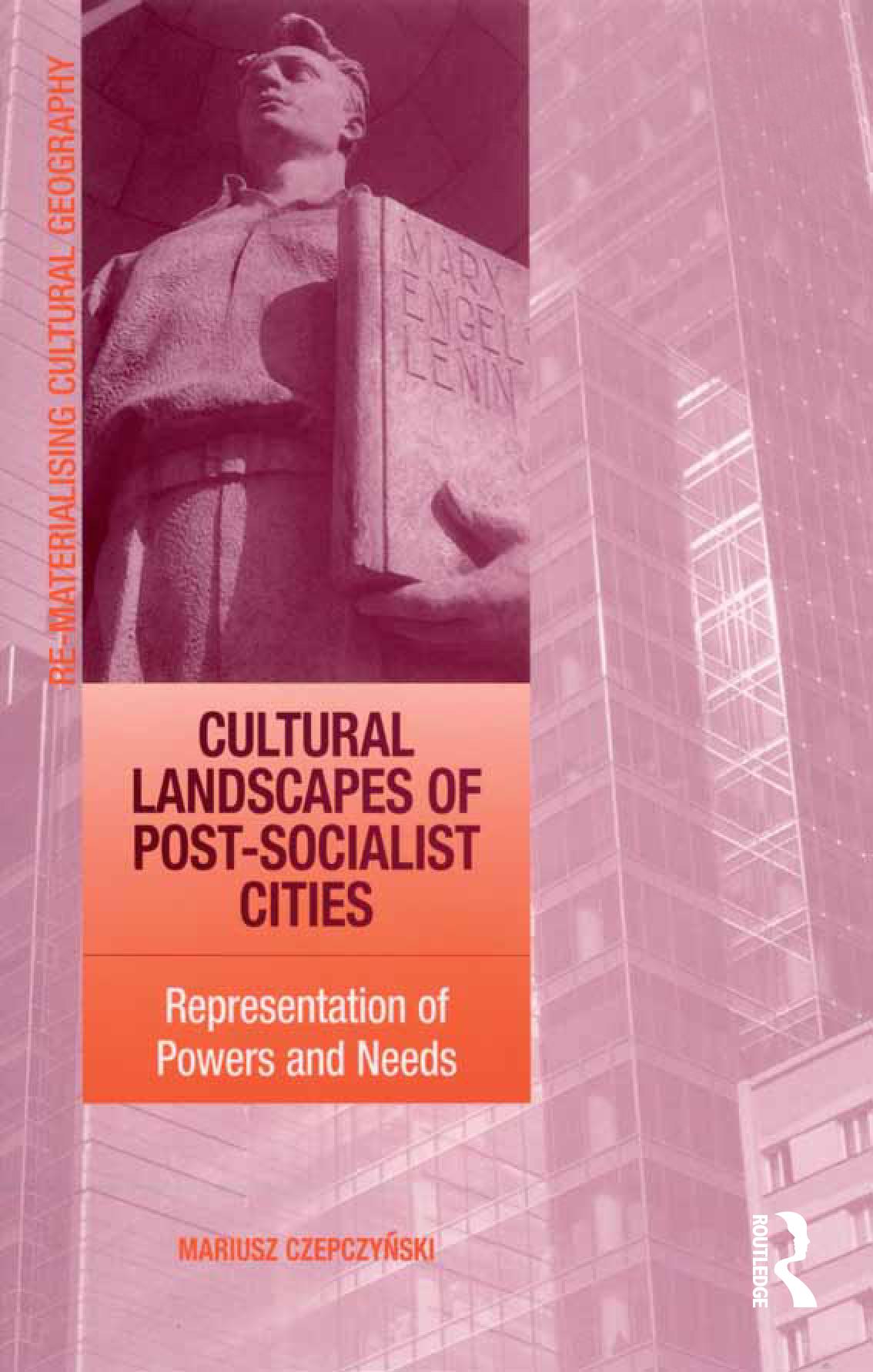
The cultural landscapes of Central European cities reflect over half a century of socialism and are marked by the Marxists' vision of a utopian landscape. Architecture, urban planning and the visual arts were considered to be powerful means of expressing the 'people's power'. However, since the velvet revolutions of 1989, this urban scenery has been radically transformed by new forces and trends, infused by the free market, democracy and liberalization. This has led to 'landscape cleansing' and 'recycling', as these former communist nations used new architectural, functional and social forms to transform their urbanscapes, their meanings and uses. Comparing case studies from different post-socialist cities, this book examines the culturally conditional variations between local powers and structures despite the similarities in the general processes and systems. It considers the contemporary cultural landscapes of these post-socialist cities as a dynamic fusion of the old communist forms and new free-market meanings, features and democratic practices, of global influences and local icons. The book assesses whether these urbanscapes clearly reflect the social, cultural and political conditions and aspirations of these transitional countries and so a critical analysis of them provides important insights.
Betal nemt med kort, Klarna, Apple Pay eller Google Pay. Ikke tilfreds? Du har altid 14 dages fortrydelsesret. Læs mere i vores vilkår. Har du spørgsmål, så send os en mail på hello@memmo.org.
Memmo gør det nemmere at studere – uanset hvor du er i verden. Hos os samler du dine kursusbøger og smarte studieværktøjer ét sted: resuméer, quizzer, podcasts og flashcards. Og så er der Ted, din studieven, der svarer på alt, du undrer dig over. Over 50 000 studerende studerer allerede her – bygget til at hjælpe dig med at lære hurtigere og stresse mindre.
Du kan måske også lide
Køb bogen0