
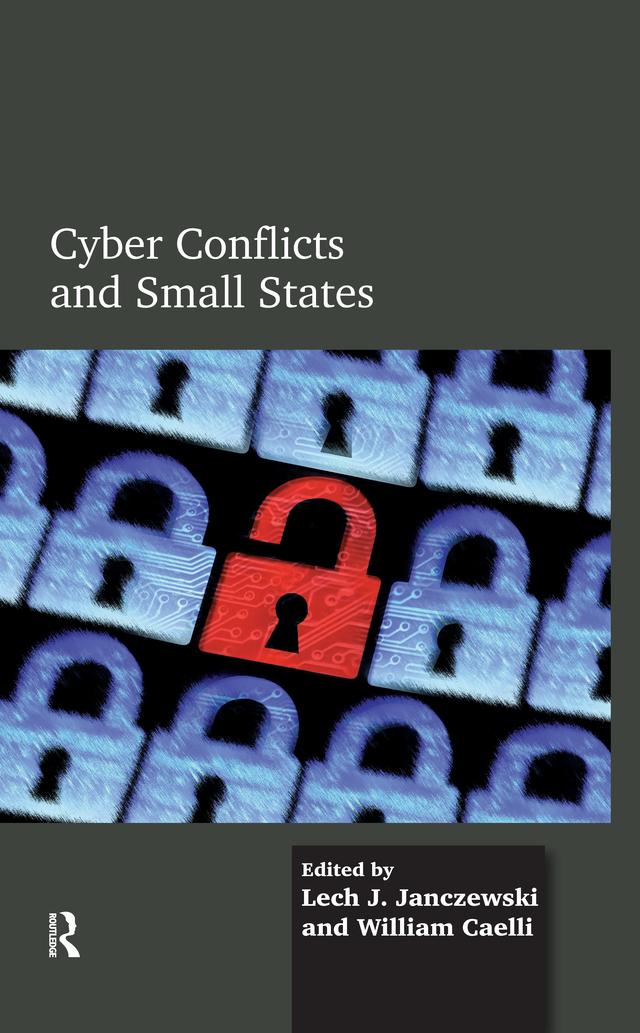
The probability of a world-wide cyber conflict is small. Yet the probability of forms of cyber conflict, regional or even global, could be argued as being very high. Small countries are usually signatories to military and economic alliances with major world powers but rely heavily on the technical ability of these powers in protecting their own national interests. They may be considered to be IT ’technology colonies’. Their cyber infrastructure is usually fully imported and their ability to assess it is limited. This book poses the question: to what extent should, or can, a small country prepare itself for handling the broad range of cyber threats? Looking at cyber-warfare, cyber-terrorism, cyber-crime and associated concerns, national experts from New Zealand, Australia, The Netherlands, and Poland present analyses of cyber-defence realities, priorities and options for smaller countries. They show that what is needed is the ability of small nations to be able to define and prepare appropriate responses such as the role of military/law enforcement/business entities, continuity and resilience strategies, incident response and business continuity plans and more for handing nationally-aimed cyber-attacks particularly where these address national critical infrastructures.
Betal nemt med kort, Klarna, Apple Pay eller Google Pay. Ikke tilfreds? Du har altid 14 dages fortrydelsesret. Læs mere i vores vilkår. Har du spørgsmål, så send os en mail på hello@memmo.org.
Memmo gør det nemmere at studere – uanset hvor du er i verden. Hos os samler du dine kursusbøger og smarte studieværktøjer ét sted: resuméer, quizzer, podcasts og flashcards. Og så er der Ted, din studieven, der svarer på alt, du undrer dig over. Over 50 000 studerende studerer allerede her – bygget til at hjælpe dig med at lære hurtigere og stresse mindre.
Du kan måske også lide
Køb bogen0