
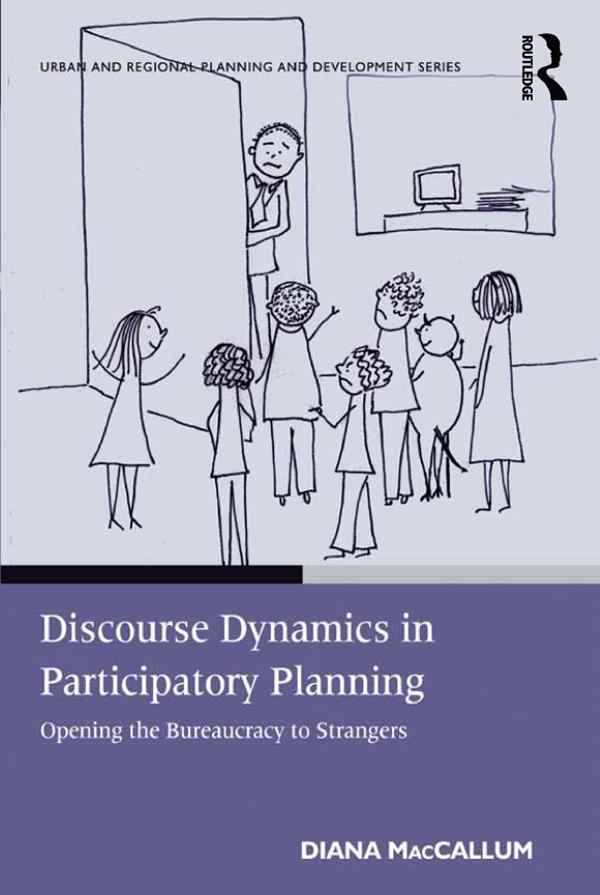
This book introduces the methodology of critical discourse analysis (CDA) to the study of participatory planning. CDA uses linguistic analysis to elucidate social issues and processes and is particularly suited to institutional practices and how they are changing in response to changing social conditions. Illustrated by two case studies from Australia, it examines the talk between the various participants in a formal stakeholder committee context over five years, during which time they went through several phases of changing power dynamics, conflict and reconciliation. The book demonstrates the value of CDA to this field of research and develops specific techniques and conceptual tools for applying the methodology to the 'formal talk' context of collaborative planning committees. It also sheds light on the dynamics of interaction between 'stakeholders' and bureaucracies - particularly with respect to inherent communicative barriers, power inequalities, and the development of new discursive practices.
Betal nemt med kort, Klarna, Apple Pay eller Google Pay. Ikke tilfreds? Du har altid 14 dages fortrydelsesret. Læs mere i vores vilkår. Har du spørgsmål, så send os en mail på hello@memmo.org.
Memmo gør det nemmere at studere – uanset hvor du er i verden. Hos os samler du dine kursusbøger og smarte studieværktøjer ét sted: resuméer, quizzer, podcasts og flashcards. Og så er der Ted, din studieven, der svarer på alt, du undrer dig over. Over 50 000 studerende studerer allerede her – bygget til at hjælpe dig med at lære hurtigere og stresse mindre.
Du kan måske også lide
Køb bogen0