
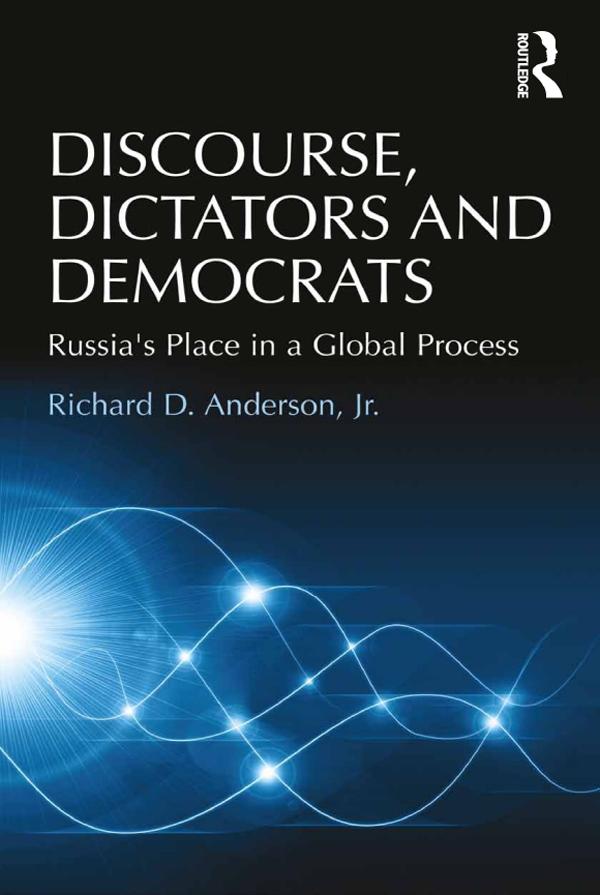
Voting hides a familiar puzzle. Many people take the trouble to vote even though each voter's prospect of deciding the election is nearly nil. Russians vote even when pervasive electoral fraud virtually eliminates even that slim chance. The right to vote has commonly been won by protesters who risked death or injury even though any one protester could have stayed home without lessening the protest’s chance of success. Could people vote or protest because they stop considering their own chances and start to think about an identity shared with others? If what they hear or read affects political identity, a shift in political discourse might not just evoke protests and voting but also make the minority that has imposed the dictator’s will suddenly lose heart. During the Soviet Union’s final years the cues that set communist discourse apart from standard Russian sharply dwindled. A similar convergence of political discourse with local language has preceded expansion of the right to vote in many states around the globe. Richard D. Anderson, Jr., presents a groundbreaking theory of what language use does to politics.
Betal nemt med kort, Klarna, Apple Pay eller Google Pay. Ikke tilfreds? Du har altid 14 dages fortrydelsesret. Læs mere i vores vilkår. Har du spørgsmål, så send os en mail på hello@memmo.org.
Memmo gør det nemmere at studere – uanset hvor du er i verden. Hos os samler du dine kursusbøger og smarte studieværktøjer ét sted: resuméer, quizzer, podcasts og flashcards. Og så er der Ted, din studieven, der svarer på alt, du undrer dig over. Over 50 000 studerende studerer allerede her – bygget til at hjælpe dig med at lære hurtigere og stresse mindre.
Du kan måske også lide
Køb bogen0