
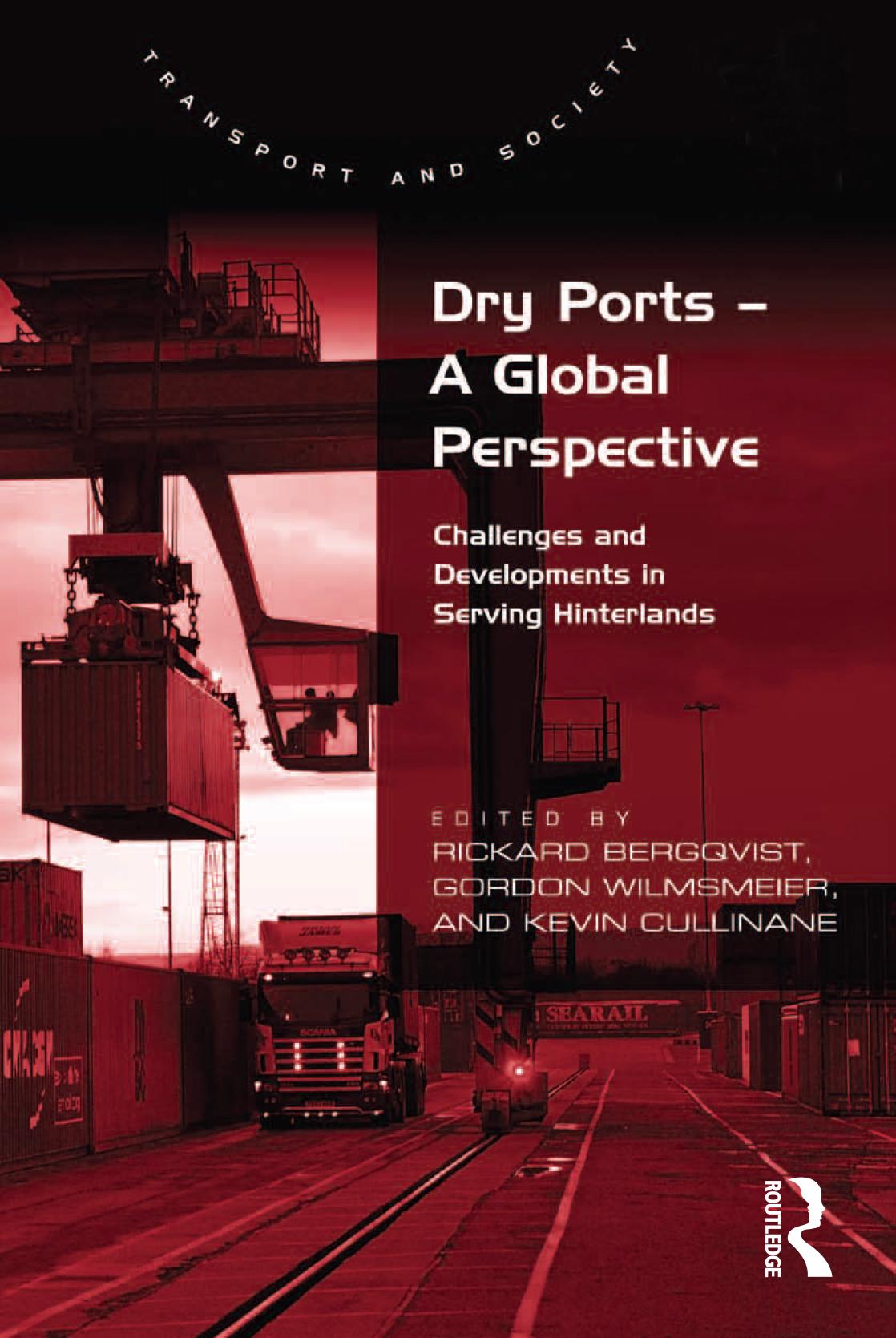
As centres for logistics activities, seaports have traditionally been the focus of maritime logistics chains. However, changes in production patterns, supported by the development of rapid transport of goods over long distances, have altered the logistics landscape. As a result, the relevance of port hinterland transport has become more important, with a consequent need for the high utilisation of transport resources and infrastructure through the consolidation of cargo flows and for seaports to extend their influence within their hinterlands to increase their competitiveness. The development worldwide of inland ports, terminals and dryports in their various forms, together with associated new functions and strategies, address these challenges in diverse ways to realise the potential benefits that come from the successful implementation of inland ports that connect seamlessly into transportation systems. This book comprises case studies and state-of-the-art examples of dryports in different parts of the world that have varying economic, social, institutional and environmental realities and which exhibit the complexity of, and diverse approaches to, this recent logistics phenomenon.
Betal nemt med kort, Klarna, Apple Pay eller Google Pay. Ikke tilfreds? Du har altid 14 dages fortrydelsesret. Læs mere i vores vilkår. Har du spørgsmål, så send os en mail på hello@memmo.org.
Memmo gør det nemmere at studere – uanset hvor du er i verden. Hos os samler du dine kursusbøger og smarte studieværktøjer ét sted: resuméer, quizzer, podcasts og flashcards. Og så er der Ted, din studieven, der svarer på alt, du undrer dig over. Over 50 000 studerende studerer allerede her – bygget til at hjælpe dig med at lære hurtigere og stresse mindre.
Du kan måske også lide
Køb bogen0