
Winner of the Nicholas Bessaraboff Prize
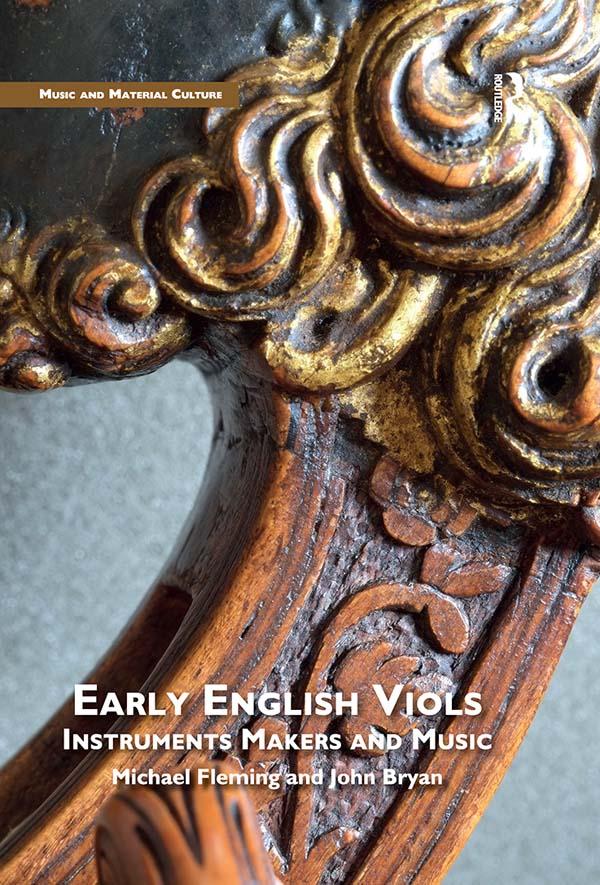
Musical repertory of great importance and quality was performed on viols in sixteenth- and early seventeenth-century England. This is reported by Thomas Mace (1676) who says that ’Your Best Provision’ for playing such music is a chest of old English viols, and he names five early English viol makers than which ’there are no Better in the World’. Enlightened scholars and performers (both professional and amateur) who aim to understand and play this music require reliable historical information and need suitable viols, but so little is known about the instruments and their makers that we cannot specify appropriate instruments with much precision. Our ignorance cannot be remedied exclusively by the scrutiny or use of surviving antique viols because they are extremely rare, they are not accessible to performers and the information they embody is crucially compromised by degradation and alteration. Drawing on a wide variety of evidence including the surviving instruments, music composed for those instruments, and the documentary evidence surrounding the trade of instrument making, Fleming and Bryan draw significant conclusions about the changing nature and varieties of viol in early modern England.
Betal nemt med kort, Klarna, Apple Pay eller Google Pay. Ikke tilfreds? Du har altid 14 dages fortrydelsesret. Læs mere i vores vilkår. Har du spørgsmål, så send os en mail på hello@memmo.org.
Memmo gør det nemmere at studere – uanset hvor du er i verden. Hos os samler du dine kursusbøger og smarte studieværktøjer ét sted: resuméer, quizzer, podcasts og flashcards. Og så er der Ted, din studieven, der svarer på alt, du undrer dig over. Over 50 000 studerende studerer allerede her – bygget til at hjælpe dig med at lære hurtigere og stresse mindre.