
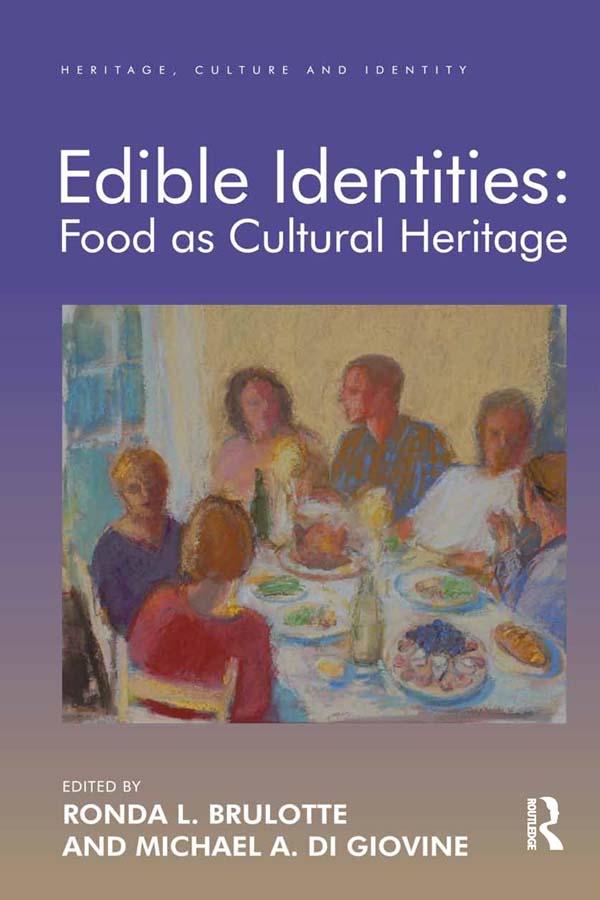
Food - its cultivation, preparation and communal consumption - has long been considered a form of cultural heritage. A dynamic, living product, food creates social bonds as it simultaneously marks off and maintains cultural difference. In bringing together anthropologists, historians and other scholars of food and heritage, this volume closely examines the ways in which the cultivation, preparation, and consumption of food is used to create identity claims of 'cultural heritage' on local, regional, national and international scales. Contributors explore a range of themes, including how food is used to mark insiders and outsiders within an ethnic group; how the same food's meanings change within a particular society based on class, gender or taste; and how traditions are 'invented' for the revitalization of a community during periods of cultural pressure. Featuring case studies from Europe, Asia and the Americas, this timely volume also addresses the complex processes of classifying, designating, and valorizing food as 'terroir,' 'slow food,' or as intangible cultural heritage through UNESCO. By effectively analyzing food and foodways through the perspectives of critical heritage studies, this collection productively brings two overlapping but frequently separate theoretical frameworks into conversation.
Sider: 252
Kategori: Kultur-, Genus- & Postkoloniala studier
e-ISBN: 9781317145981
Forsendelsesvægt: 1.2 kg
Sendes inden for: 1-2 dage
Betal nemt med kort, Klarna, Apple Pay eller Google Pay. Ikke tilfreds? Du har altid 14 dages fortrydelsesret. Læs mere i vores vilkår. Har du spørgsmål, så send os en mail på hello@memmo.org.
Memmo gør det nemmere at studere – uanset hvor du er i verden. Hos os samler du dine kursusbøger og smarte studieværktøjer ét sted: resuméer, quizzer, podcasts og flashcards. Og så er der Ted, din studieven, der svarer på alt, du undrer dig over. Over 50 000 studerende studerer allerede her – bygget til at hjælpe dig med at lære hurtigere og stresse mindre.
Du kan måske også lide
Køb bogen0