
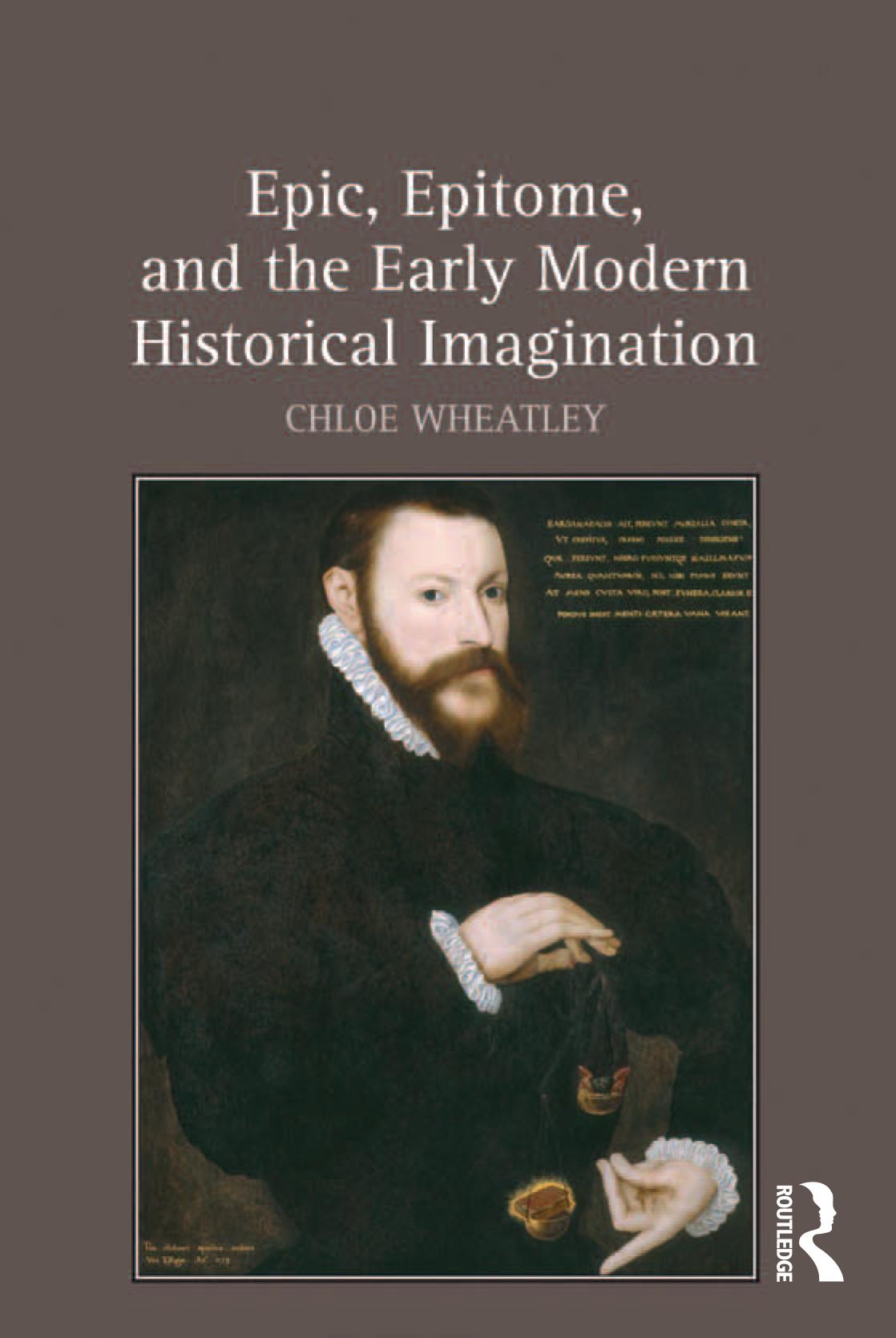
In early modern England, epitomes-texts promising to pare down, abridge, or sum up the essence of their authoritative sources-provided readers with key historical knowledge without the bulk, expense, or time commitment demanded by greater volumes. Epic poets in turn addressed the habits of reading and thinking that, for better and for worse, were popularized by the publication of predigested works. Analyzing popular texts such as chronicle summaries, abridgements of sacred epic, and abstracts of civil war debate, Chloe Wheatley charts the efflorescence of a lively early modern epitome culture, and demonstrates its impact upon Edmund Spenser's The Faerie Queene, Abraham Cowley's Davideis, and John Milton's Paradise Lost. Clearly and elegantly written, this new study presents fresh insight into how poets adapted an important epic convention-the representation of the hero's confrontation with summaries of past and future-to reflect contemporary trends in early modern history writing.
Betal nemt med kort, Klarna, Apple Pay eller Google Pay. Ikke tilfreds? Du har altid 14 dages fortrydelsesret. Læs mere i vores vilkår. Har du spørgsmål, så send os en mail på hello@memmo.org.
Memmo gør det nemmere at studere – uanset hvor du er i verden. Hos os samler du dine kursusbøger og smarte studieværktøjer ét sted: resuméer, quizzer, podcasts og flashcards. Og så er der Ted, din studieven, der svarer på alt, du undrer dig over. Over 50 000 studerende studerer allerede her – bygget til at hjælpe dig med at lære hurtigere og stresse mindre.
Du kan måske også lide
Køb bogen0