
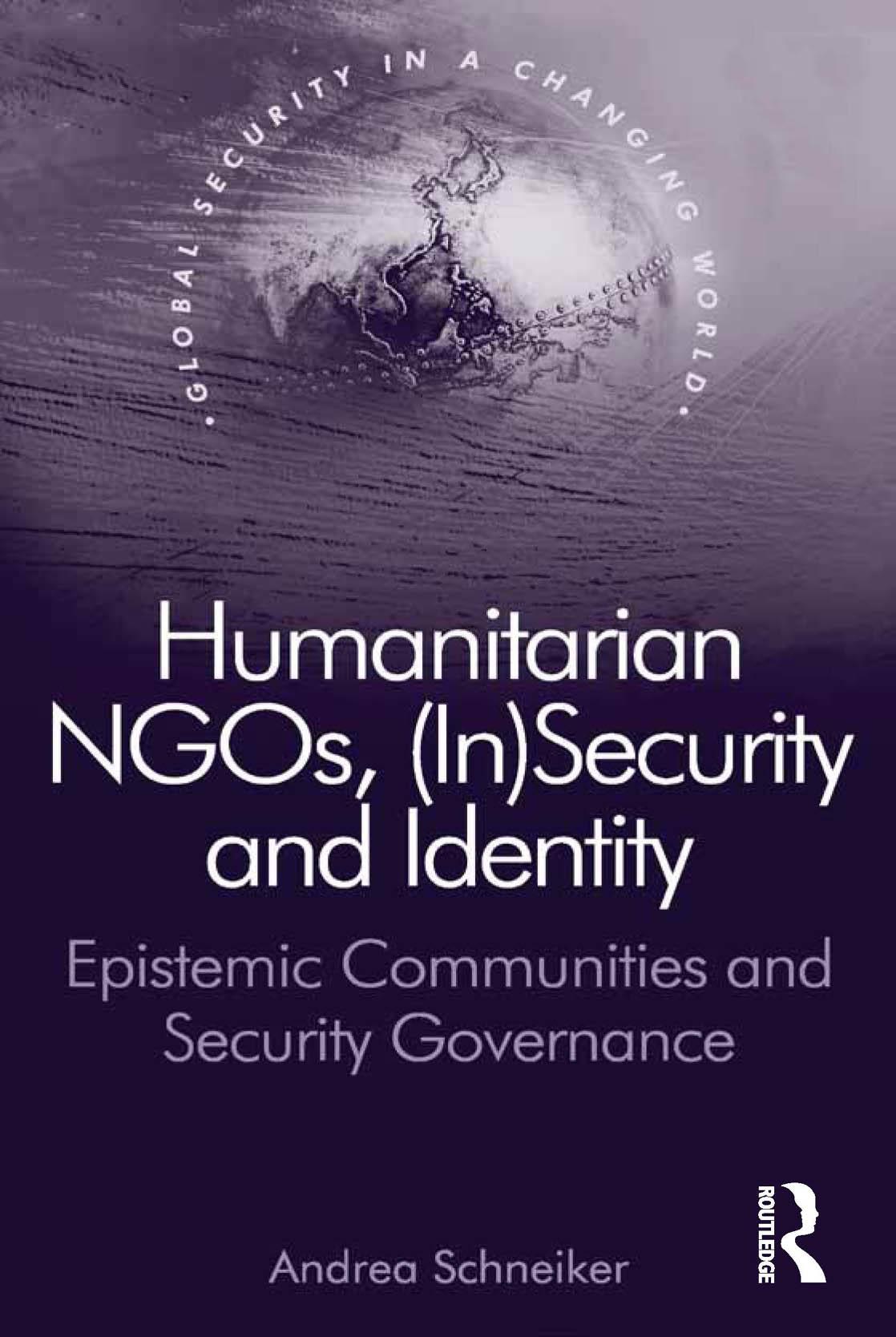
Increasingly humanitarian NGOs operate in the context of armed conflicts where the security risks are higher than in contexts of natural disaster. Working in Afghanistan, Somalia, Sudan, South Sudan, Pakistan and Sri Lanka is particularly dangerous for humanitarians. This existential threat affects the physical existence of aid workers and the implementation of humanitarian programs, and the core beliefs of humanitarians and the underlying principles of humanitarian action. For NGOs it is difficult to accept that they are attacked despite their good intentions, sometimes even by the very communities they seek to help. For these reasons, humanitarian NGOs have to change their approaches to security by not only adapting their policies, procedures and structures to the changing environment, but also reviewing the underlying principles of their work. This book contributes to debates by demonstrating how issues of (in)security affect humanitarian NGOs and the humanitarian identity, situating the structural changes within the humanitarian NGO community in the context of conflict aid governance and explains how non-state actors establish their own governance structures, independent from state-sponsored solutions, and contributes to the emerging literature on the redefinition of the concept of epistemic communities.
Betal nemt med kort, Klarna, Apple Pay eller Google Pay. Ikke tilfreds? Du har altid 14 dages fortrydelsesret. Læs mere i vores vilkår. Har du spørgsmål, så send os en mail på hello@memmo.org.
Memmo gør det nemmere at studere – uanset hvor du er i verden. Hos os samler du dine kursusbøger og smarte studieværktøjer ét sted: resuméer, quizzer, podcasts og flashcards. Og så er der Ted, din studieven, der svarer på alt, du undrer dig over. Over 50 000 studerende studerer allerede her – bygget til at hjælpe dig med at lære hurtigere og stresse mindre.
Du kan måske også lide
Køb bogen0