
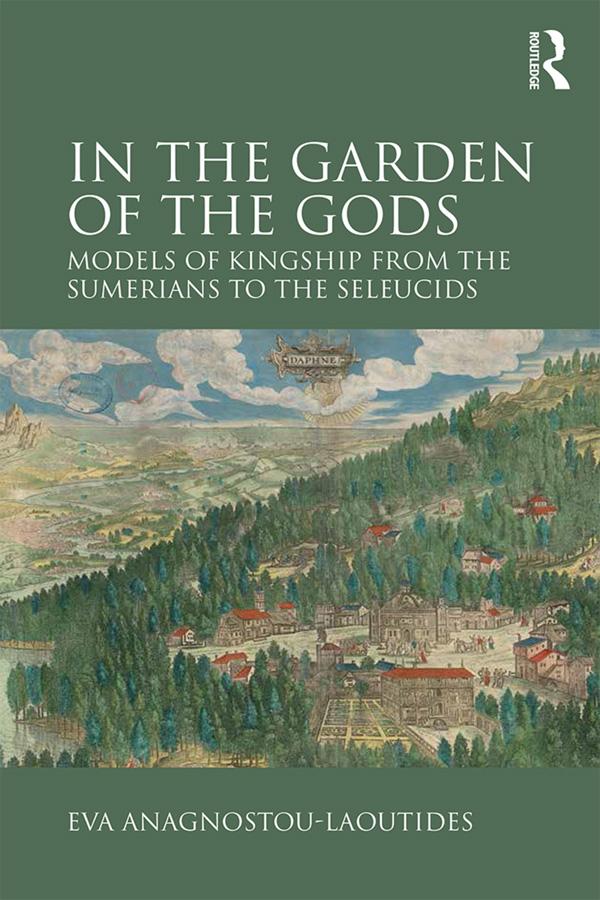
Examining the evolution of kingship in the Ancient Near East from the time of the Sumerians to the rise of the Seleucids in Babylon, this book argues that the Sumerian emphasis on the divine favour that the fertility goddess and the Sun god bestowed upon the king should be understood metaphorically from the start and that these metaphors survived in later historical periods, through popular literature including the Epic of Gilgameš and the Enuma Eliš. The author’s research shows that from the earliest times Near Eastern kings and their scribes adapted these metaphors to promote royal legitimacy in accordance with legendary exempla that highlighted the role of the king as the establisher of order and civilization. As another Gilgameš and, later, as a pious servant of Marduk, the king renewed divine favour for his subjects, enabling them to share the 'Garden of the Gods'. Seleucus and Antiochus found these cultural ideas, as they had evolved in the first millennium BCE, extremely useful in their efforts to establish their dynasty at Babylon. Far from playing down cultural differences, the book considers the ideological agendas of ancient Near Eastern empires as having been shaped mainly by class — rather than race-minded elites.
Betal nemt med kort, Klarna, Apple Pay eller Google Pay. Ikke tilfreds? Du har altid 14 dages fortrydelsesret. Læs mere i vores vilkår. Har du spørgsmål, så send os en mail på hello@memmo.org.
Memmo gør det nemmere at studere – uanset hvor du er i verden. Hos os samler du dine kursusbøger og smarte studieværktøjer ét sted: resuméer, quizzer, podcasts og flashcards. Og så er der Ted, din studieven, der svarer på alt, du undrer dig over. Over 50 000 studerende studerer allerede her – bygget til at hjælpe dig med at lære hurtigere og stresse mindre.