
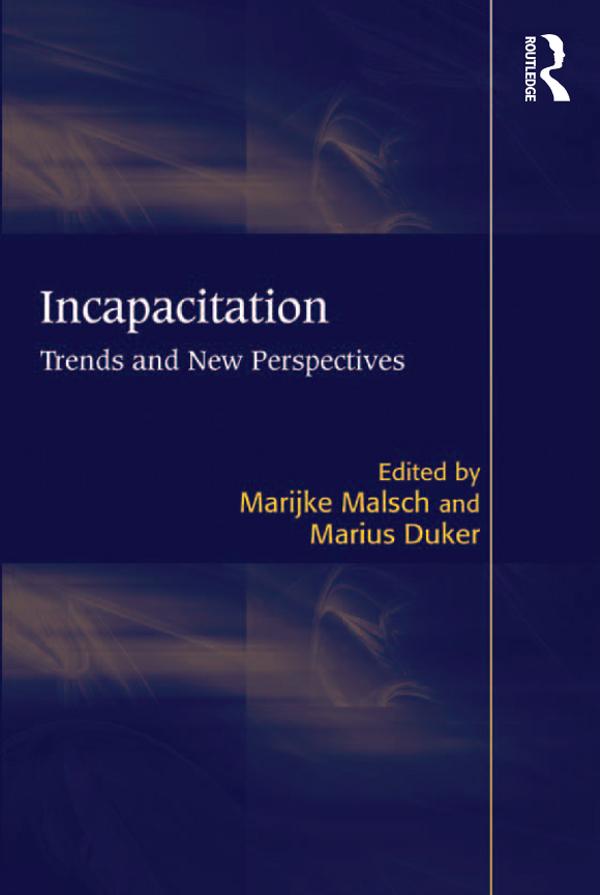
In many criminal justice systems a new trend towards incapacitation can be witnessed. A ubiquitous want for control seems to have emerged as a consequence of perceived safety risks. This can be seen not only in the mass incarceration of offenders but also in the disqualification of offenders from jobs, in chemical castration in cases of sexual crimes, the increased use of electronic monitoring and in the life-long monitoring of individuals who pose certain risks. Trends towards incapacitation are now even spreading to public administration and the employment sector, in the refusal of licenses and the rejection of employees with past criminal records. This book discusses the topic of incapacitation from various angles and perspectives. It explores how theories of punishment are affected by the more recent emphasis on incapacitation and how criminal justice practice is changing as a consequence of this new emphasis. Many contributors express criticisms with this trend towards incapacitation. They argue for a better calibration of measures to the severity of the misconduct. In addressing an increasingly important development in criminal justice, the book will be an essential resource for students, researchers, and policy-makers working in the areas of criminal law, sentencing, probation and crime prevention.
Betal nemt med kort, Klarna, Apple Pay eller Google Pay. Ikke tilfreds? Du har altid 14 dages fortrydelsesret. Læs mere i vores vilkår. Har du spørgsmål, så send os en mail på hello@memmo.org.
Memmo gør det nemmere at studere – uanset hvor du er i verden. Hos os samler du dine kursusbøger og smarte studieværktøjer ét sted: resuméer, quizzer, podcasts og flashcards. Og så er der Ted, din studieven, der svarer på alt, du undrer dig over. Over 50 000 studerende studerer allerede her – bygget til at hjælpe dig med at lære hurtigere og stresse mindre.
Du kan måske også lide
Køb bogen0