
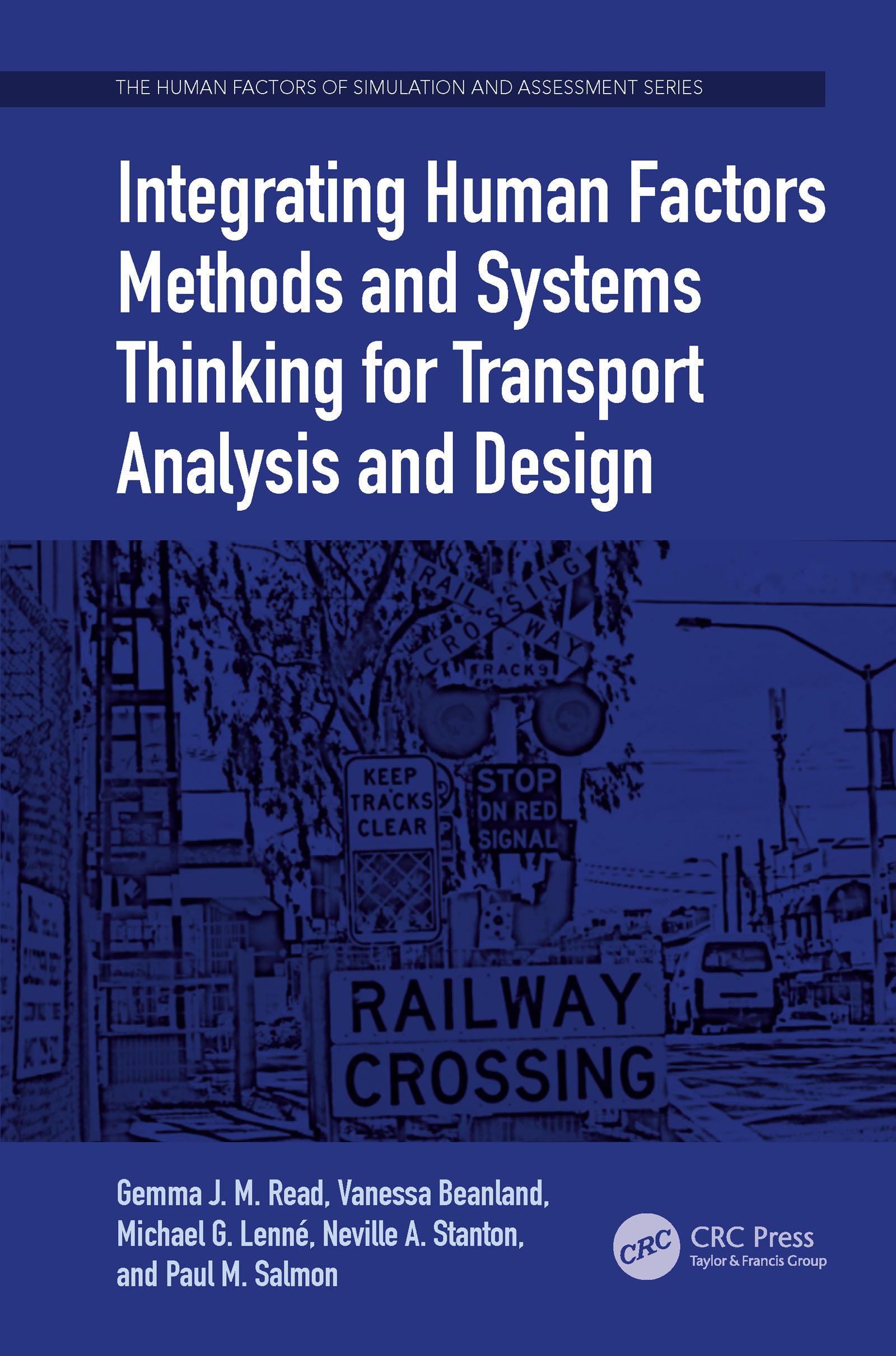
Governments and road safety agencies around the world have either introduced or are considering 'safe system' strategies, a long overdue acknowledgement that different elements of the road system contribute to road safety outcomes. Human factors approaches have a leading role here in both conceptualising the road system as a complex sociotechnical system and in providing practical approaches to support true systems-based countermeasures. This book illustrates the potential for integrating contemporary systems-based human factors methods with modern day driving-assessment methods, such as vehicle instrumentation and driving simulation, to understand and enhance performance in modern day road-transport systems. The book outlines why a fundamental paradigm shift is needed in the way these systems are designed and operated, and illustrates how a wide range of accepted human-factors approaches can be applied successfully to road transport to revolutionise the countermeasure design process. The practical illustrations of these human factors methods are applied to a long-standing road and rail safety issue: rail level crossings, where the road and rail systems intersect. The final chapter of the book highlights the utility of the human factors approach to reducing road trauma and discusses future applications of the approach.
Betal nemt med kort, Klarna, Apple Pay eller Google Pay. Ikke tilfreds? Du har altid 14 dages fortrydelsesret. Læs mere i vores vilkår. Har du spørgsmål, så send os en mail på hello@memmo.org.
Memmo gør det nemmere at studere – uanset hvor du er i verden. Hos os samler du dine kursusbøger og smarte studieværktøjer ét sted: resuméer, quizzer, podcasts og flashcards. Og så er der Ted, din studieven, der svarer på alt, du undrer dig over. Over 50 000 studerende studerer allerede her – bygget til at hjælpe dig med at lære hurtigere og stresse mindre.
Du kan måske også lide
Køb bogen0