
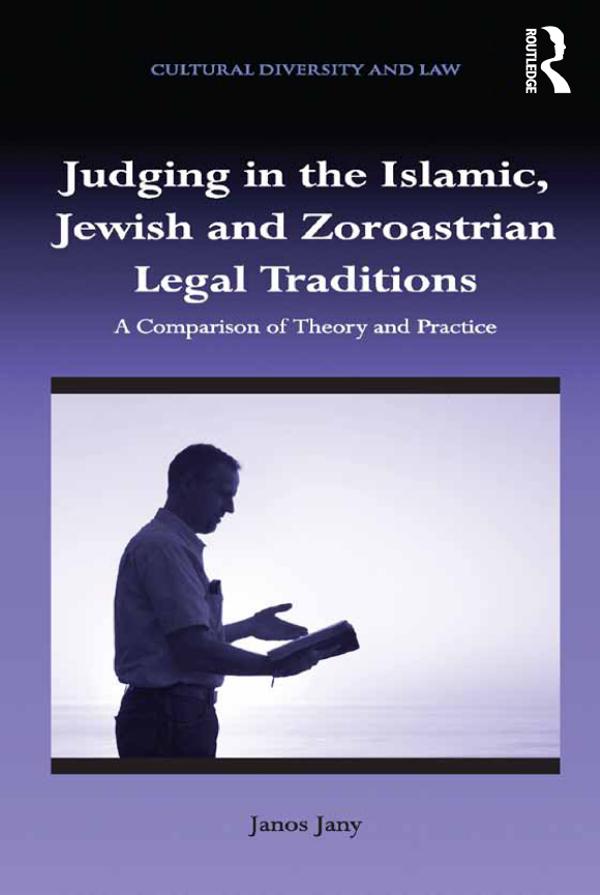
This book presents a comparative analysis of the judiciary in the Islamic, Jewish and Zoroastrian legal systems. It compares postulations of legal theory to legal practice in order to show that social practice can diverge significantly from religious and legal principles. It thus provides a greater understanding of the real functions of religion in these legal systems, regardless of the dogmatic positions of the religions themselves. The judiciary is the focus of the study as it is the judge who is obliged to administer to legal texts while having to consider social realities being sometimes at variance with religious ethics and legal rules deriving from them. This book fills a gap in the literature examining Islamic, Jewish and Zoroastrian law and as such will open new possibilities for further studies in the field of comparative law. It will be a valuable resource for those working in the areas of comparative law, law and religion, law and society, and legal anthropology.
Betal nemt med kort, Klarna, Apple Pay eller Google Pay. Ikke tilfreds? Du har altid 14 dages fortrydelsesret. Læs mere i vores vilkår. Har du spørgsmål, så send os en mail på hello@memmo.org.
Memmo gør det nemmere at studere – uanset hvor du er i verden. Hos os samler du dine kursusbøger og smarte studieværktøjer ét sted: resuméer, quizzer, podcasts og flashcards. Og så er der Ted, din studieven, der svarer på alt, du undrer dig over. Over 50 000 studerende studerer allerede her – bygget til at hjælpe dig med at lære hurtigere og stresse mindre.
Du kan måske også lide
Køb bogen0