
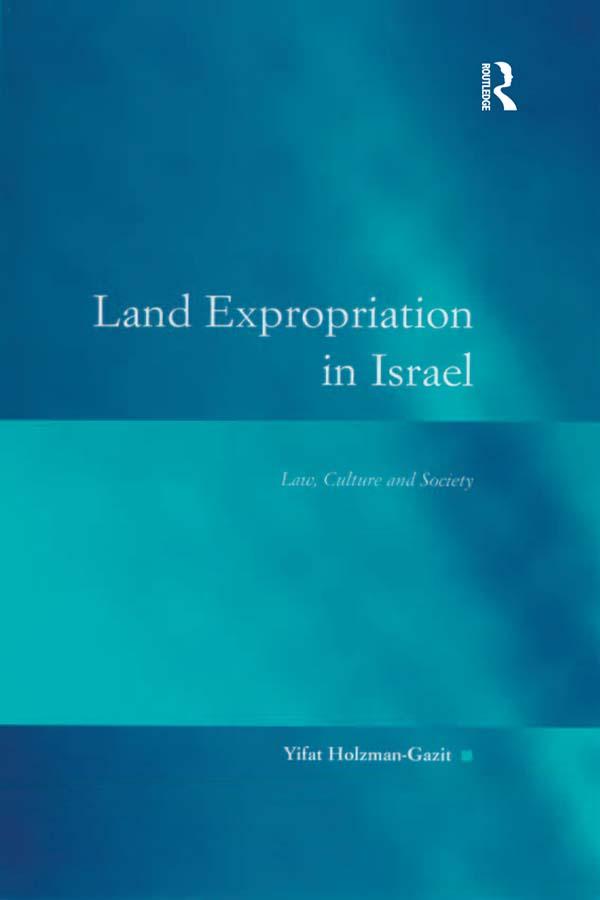
Historically, Israel's Supreme Court has failed to limit the state's powers of expropriation and to protect private property. This book argues that the Court's land expropriation jurisprudence can only be understood against the political, cultural and institutional context in which it was shaped. Security and economic pressures, the precarious status of the Court in the early years, the pervading ethos of collectivism, the cultural symbolism of public land ownership and the perceived strategic and demographic risks posed by the Israeli Arab population - all contributed to the creation of a harsh and arguably undemocratic land expropriation legal philosophy. This philosophy, the book argues, was applied by the Supreme Court to Arabs and Jews alike from the creation of the state in 1948 and until the 1980s. The book concludes with an analysis of the constitutional change of 1992 and its impact on the legal treatment of property rights under Israeli law.
Betal nemt med kort, Klarna, Apple Pay eller Google Pay. Ikke tilfreds? Du har altid 14 dages fortrydelsesret. Læs mere i vores vilkår. Har du spørgsmål, så send os en mail på hello@memmo.org.
Memmo gør det nemmere at studere – uanset hvor du er i verden. Hos os samler du dine kursusbøger og smarte studieværktøjer ét sted: resuméer, quizzer, podcasts og flashcards. Og så er der Ted, din studieven, der svarer på alt, du undrer dig over. Over 50 000 studerende studerer allerede her – bygget til at hjælpe dig med at lære hurtigere og stresse mindre.
Du kan måske også lide
Køb bogen0