
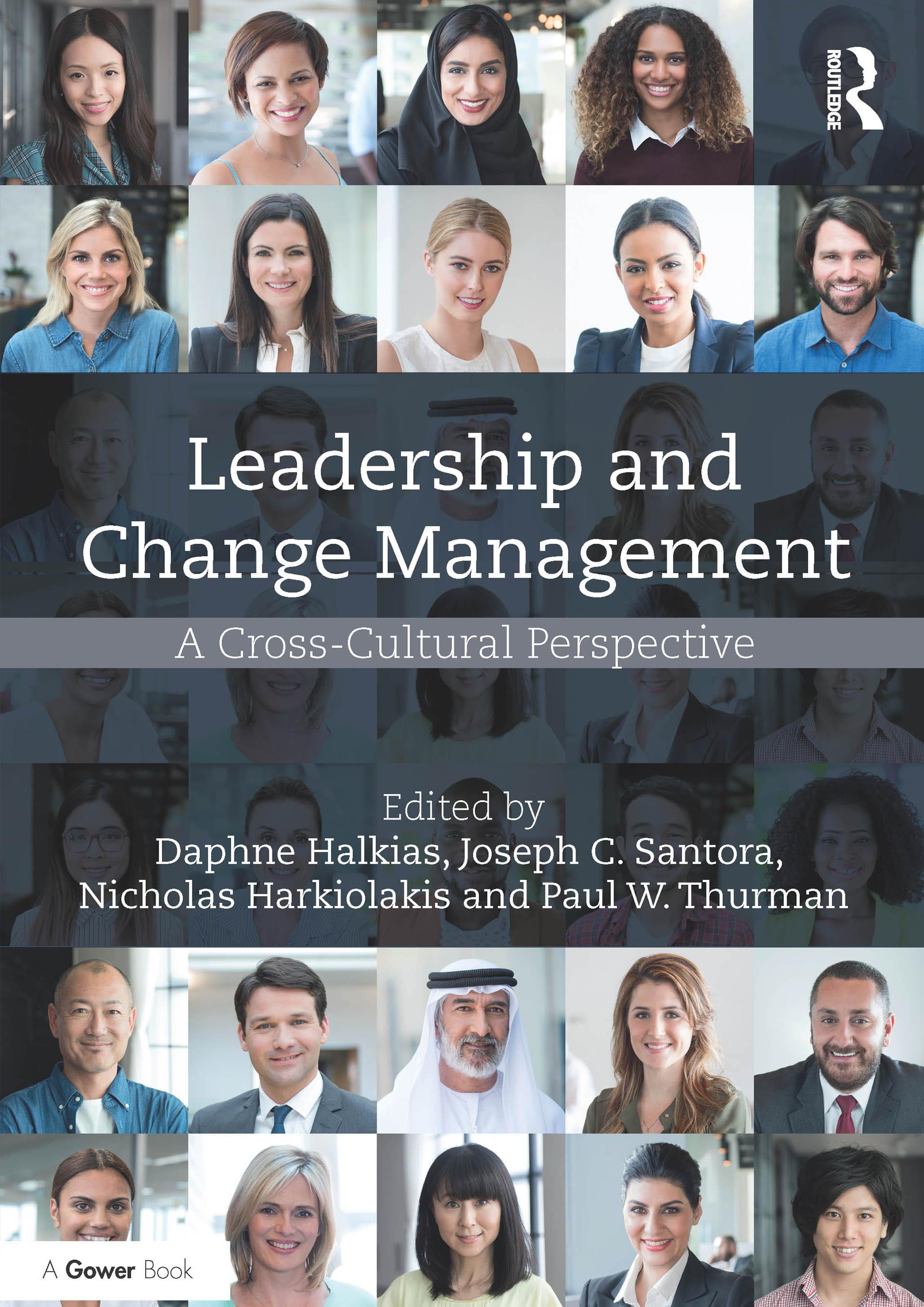
A leader’s role in the management of change is a critical issue for successful outcomes of strategic initiatives. Globalization and economic instability have prompted an increase in organizational changes related to downsizing and restructuring in order to improve financial performance and organizational competitiveness.
Researchers agree that a leader’s inability to fully understand what is needed in order to guide their organization through successful change can be a reason for failure. Proper planning and management of change can reduce the likelihood of failure, promote change effectiveness, and increase employee engagement. Yet, change in organizations must be viewed as a continuous activity that affects both organizational and individual outcomes. If change management can be considered as an event induced by socio-cultural factors, the cultural variable gains greater significance when applied to the quality of the relationship between a leader and their team. Many organizations today are on the verge of internationalization. It is here that the cultural context can affect behaviors and, in the same way, leadership style.
The research presented in this book by an eminent group of scholars explores the influence of culture – ethnic, regional, religious – on how leaders manage change within organizations.
Betal nemt med kort, Klarna, Apple Pay eller Google Pay. Ikke tilfreds? Du har altid 14 dages fortrydelsesret. Læs mere i vores vilkår. Har du spørgsmål, så send os en mail på hello@memmo.org.
Memmo gør det nemmere at studere – uanset hvor du er i verden. Hos os samler du dine kursusbøger og smarte studieværktøjer ét sted: resuméer, quizzer, podcasts og flashcards. Og så er der Ted, din studieven, der svarer på alt, du undrer dig over. Over 50 000 studerende studerer allerede her – bygget til at hjælpe dig med at lære hurtigere og stresse mindre.