
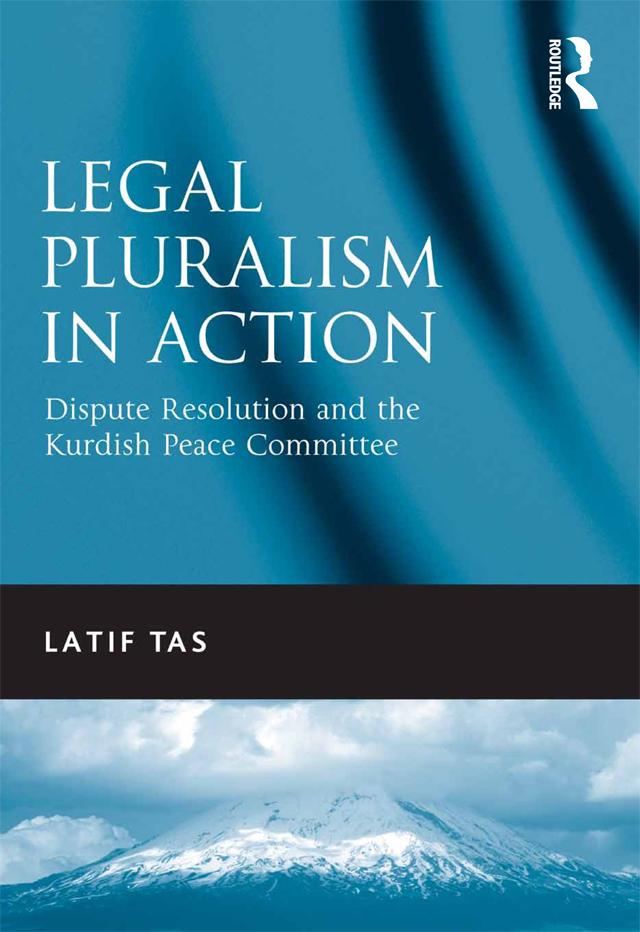
This groundbreaking book contributes to, and refocuses, public debates about the incorporation of plural approaches into the English legal system. The book specifically advances the recent, largely theoretical, discussions of Sharia legal practice by examining a secular method of dispute resolution as practised by the Kurdish Peace Committee in London. Following migration to the West, many Kurds still adhere to traditional values and norms. Building on these, they have adapted their customary legal practices to create unofficial legal courts and other forms of legal hybridisation. These practical solutions to the challenges of a pluralistic life are seen by Kurdish communities in the UK as applicable not only to British and transnational daily life, but also as a training ground for institutions in a possible future Kurdish state. The study provides a substantive evidence base using extensive ethnographic data about the workings of the Kurdish Peace Committee, examining detailed case studies in the context of the customs and practices of the Kurdish community. Based on an ethnographic and interdisciplinary approach, this book will be of interest to policy makers, socio-legal professionals, students and scholars of legal anthropology, ethnic minority law, transnationalism, diaspora, Kurdish, Turkish and Middle Eastern studies.
Betal nemt med kort, Klarna, Apple Pay eller Google Pay. Ikke tilfreds? Du har altid 14 dages fortrydelsesret. Læs mere i vores vilkår. Har du spørgsmål, så send os en mail på hello@memmo.org.
Memmo gør det nemmere at studere – uanset hvor du er i verden. Hos os samler du dine kursusbøger og smarte studieværktøjer ét sted: resuméer, quizzer, podcasts og flashcards. Og så er der Ted, din studieven, der svarer på alt, du undrer dig over. Over 50 000 studerende studerer allerede her – bygget til at hjælpe dig med at lære hurtigere og stresse mindre.
Du kan måske også lide
Køb bogen0