
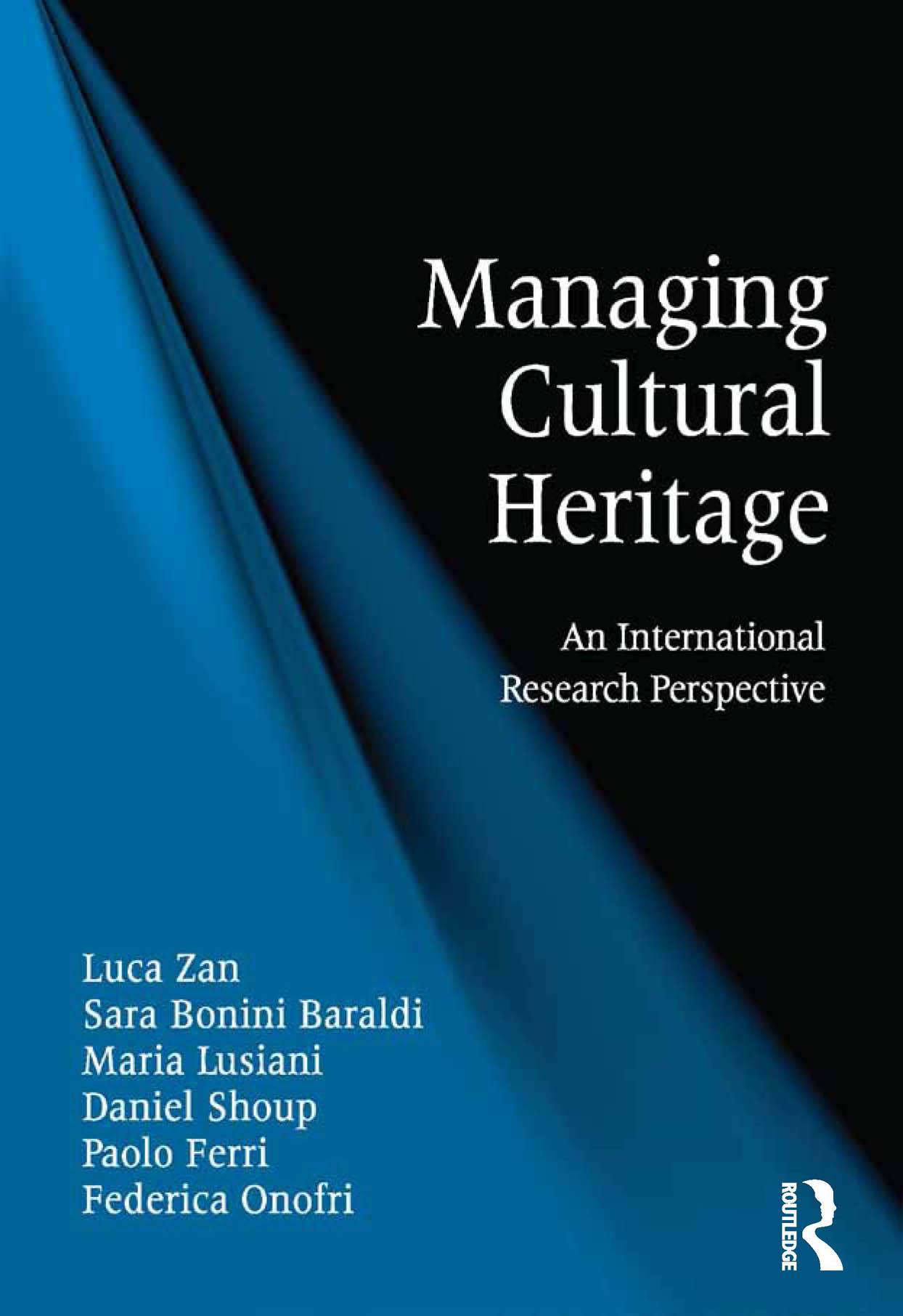
Since the 1990s, heritage studies has emerged as a distinct academic field, and practices and rhetoric drawn from mainstream corporate management and strategic planning have become widespread. Based on extensive research, this book is an in-depth investigation of management practices rather than policies, based on a variety of case studies from around the world.
The authors take the issue of management in heritage seriously, but also take into account the role of other disciplines within heritage organizations. In particular, they focus on sustainability in terms of financial resources, human resources, knowledge management, and the relationship with the audience and communities of scholars. The book opens with a methodological introduction that discusses what it means to do research on management, and why international comparative research is essential. The body of the text engages issues of heritage and management through five distinct analytical lenses: management and the process of change, institutional settings and business models, change and planning, the Heritage Chain, and the space between policy and practice. Each of these five sections includes a chapter introducing the analytical framework and possible implications, followed by case histories from China, Italy, Malta, Turkey, and Peru. The book ends with a chapter of concluding reflections.
Betal nemt med kort, Klarna, Apple Pay eller Google Pay. Ikke tilfreds? Du har altid 14 dages fortrydelsesret. Læs mere i vores vilkår. Har du spørgsmål, så send os en mail på hello@memmo.org.
Memmo gør det nemmere at studere – uanset hvor du er i verden. Hos os samler du dine kursusbøger og smarte studieværktøjer ét sted: resuméer, quizzer, podcasts og flashcards. Og så er der Ted, din studieven, der svarer på alt, du undrer dig over. Over 50 000 studerende studerer allerede her – bygget til at hjælpe dig med at lære hurtigere og stresse mindre.