
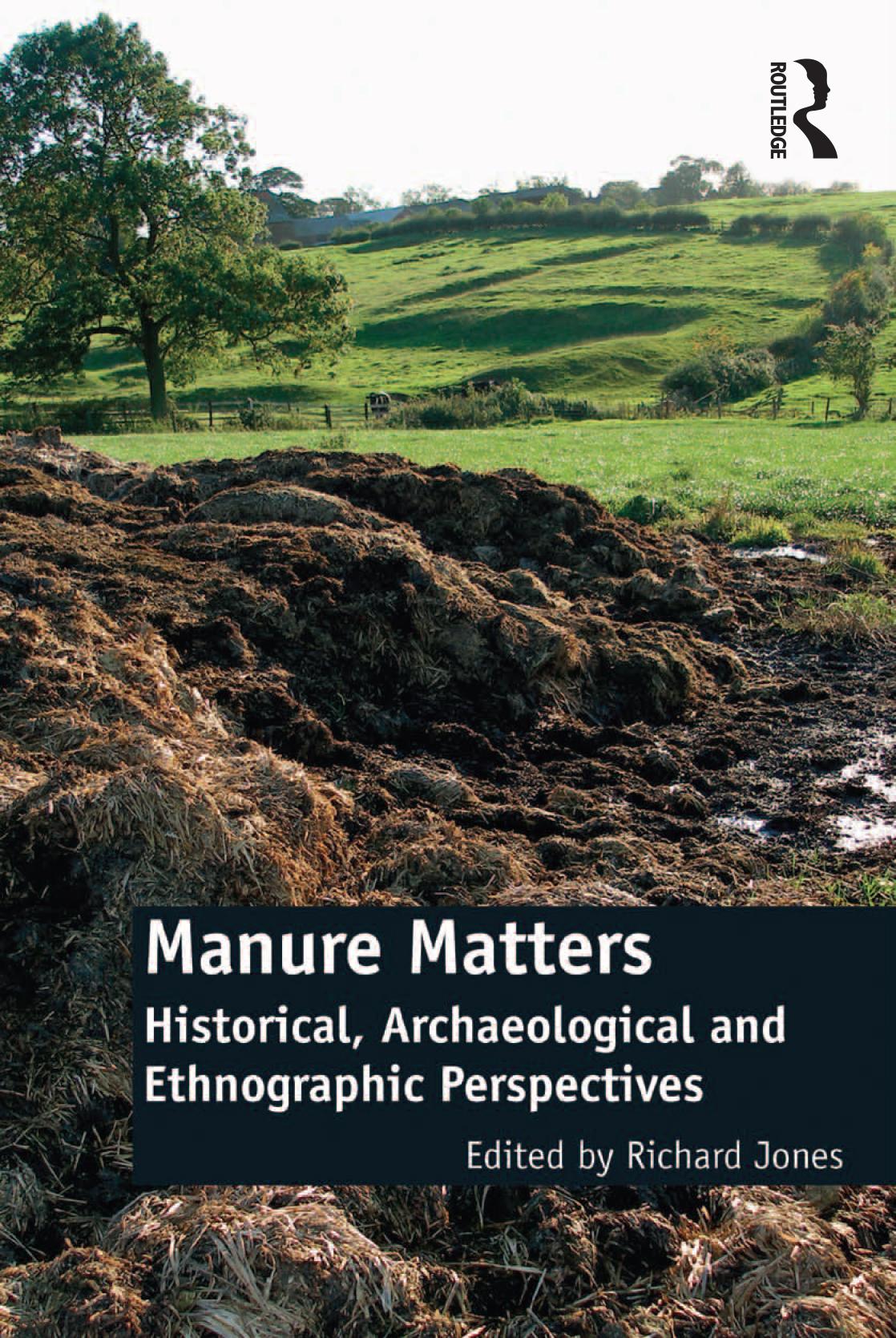
In pre-industrial societies, in which the majority of the population lived directly off the land, few issues were more important than the maintenance of soil fertility. Without access to biodegradable wastes from production processes or to synthetic agrochemicals, early farmers continuously developed strategies aimed at adding nutritional value to their fields using locally available natural materials. Manure really mattered, its collection/creation, storage, and spreading becoming major preoccupations for all agriculturalists no matter what environment they worked or at what period. This book brings together the work of a group of international scholars working on social, cultural, and economic issues relating to past manure and manuring. Contributors use textual, linguistic, archaeological, scientific and ethnographic evidence as the basis for their analyses. The scope of the papers is temporally and geographically broad; they span the Neolithic through to the modern period and cover studies from the Middle East, Britain and Atlantic Europe, and India. Together they allow us to explore the signatures that manure and manuring have left behind, and the vast range of attitudes that have surrounded both substance and activity in the past and present.
Betal nemt med kort, Klarna, Apple Pay eller Google Pay. Ikke tilfreds? Du har altid 14 dages fortrydelsesret. Læs mere i vores vilkår. Har du spørgsmål, så send os en mail på hello@memmo.org.
Memmo gør det nemmere at studere – uanset hvor du er i verden. Hos os samler du dine kursusbøger og smarte studieværktøjer ét sted: resuméer, quizzer, podcasts og flashcards. Og så er der Ted, din studieven, der svarer på alt, du undrer dig over. Over 50 000 studerende studerer allerede her – bygget til at hjælpe dig med at lære hurtigere og stresse mindre.
Du kan måske også lide
Køb bogen0