
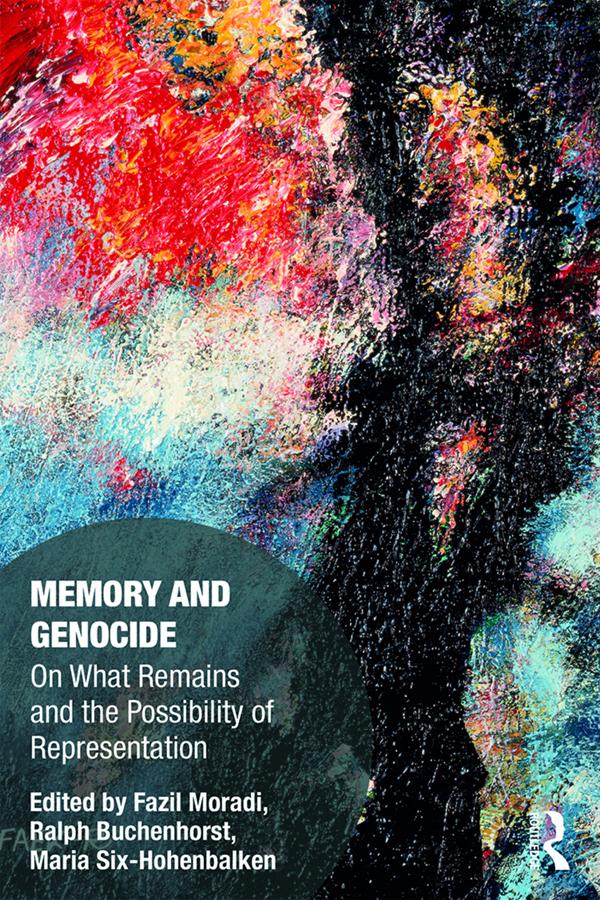
This book focuses on the ethical, aesthetic, and scholarly dimensions of how genocide-related works of art, documentary films, poetry and performance, museums and monuments, music, dance, image, law, memory narratives, spiritual bonds, and ruins are translated and take place as translations of acts of genocide. It shows how genocide-related modes of representation are acts of translation which displace and produce memory and acts of remembrance of genocidal violence as inheritance of the past in a future present. Thus, the possibility of representation is examined in light of what remains in the aftermath where the past and the future are inseparable companions and we find the idea of the untranslatability in acts of genocide. By opening up both the past and lived experiences of genocidal violence as and through multiple acts of translation, this volume marks a heterogeneous turn towards the future, and one which will be of interest to all scholars and students of memory and genocide studies, transitional justice, sociology, psychology, and social anthropology.
Betal nemt med kort, Klarna, Apple Pay eller Google Pay. Ikke tilfreds? Du har altid 14 dages fortrydelsesret. Læs mere i vores vilkår. Har du spørgsmål, så send os en mail på hello@memmo.org.
Memmo gør det nemmere at studere – uanset hvor du er i verden. Hos os samler du dine kursusbøger og smarte studieværktøjer ét sted: resuméer, quizzer, podcasts og flashcards. Og så er der Ted, din studieven, der svarer på alt, du undrer dig over. Over 50 000 studerende studerer allerede her – bygget til at hjælpe dig med at lære hurtigere og stresse mindre.