
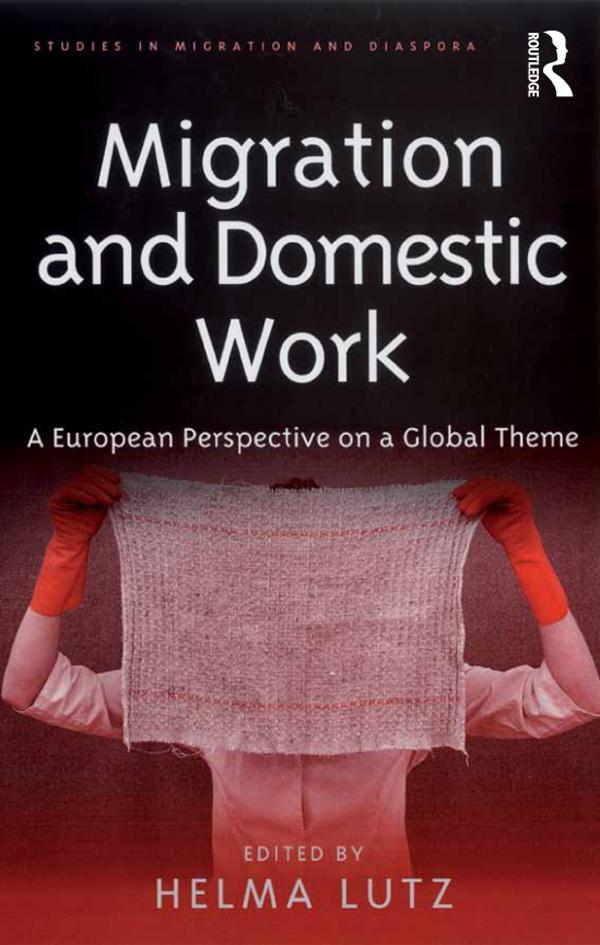
Domestic work has become highly relevant on a local and global scale. Until a decade ago, domestic workers were rare in European households; today they can be found working for middle-class families and single people, for double or single parents as well as for the elderly. Performing the three C's - cleaning, caring and cooking - domestic workers offer their woman power on a global market which Europe has become part of. This global market is now considered the largest labour market for women world wide and it has triggered the feminization of migration. This volume brings together contributions by European and US based researchers to look at the connection between migration and domestic work on an empirical and theoretical level. The contributors elaborate on the phenomenon of 'domestic work' in late modern societies by discussing different methodological and theoretical approaches in an interdisciplinary setting. The volume also looks at the gendered aspects of domestic work; it asks why the re-introduction of domestic workers in European households has become so popular and will argue that this phenomenon is challenging gender theories. This is a timely book and will be of interest to academics and students in the fields of migration, gender and European studies.
Betal nemt med kort, Klarna, Apple Pay eller Google Pay. Ikke tilfreds? Du har altid 14 dages fortrydelsesret. Læs mere i vores vilkår. Har du spørgsmål, så send os en mail på hello@memmo.org.
Memmo gør det nemmere at studere – uanset hvor du er i verden. Hos os samler du dine kursusbøger og smarte studieværktøjer ét sted: resuméer, quizzer, podcasts og flashcards. Og så er der Ted, din studieven, der svarer på alt, du undrer dig over. Over 50 000 studerende studerer allerede her – bygget til at hjælpe dig med at lære hurtigere og stresse mindre.
Du kan måske også lide
Køb bogen0