
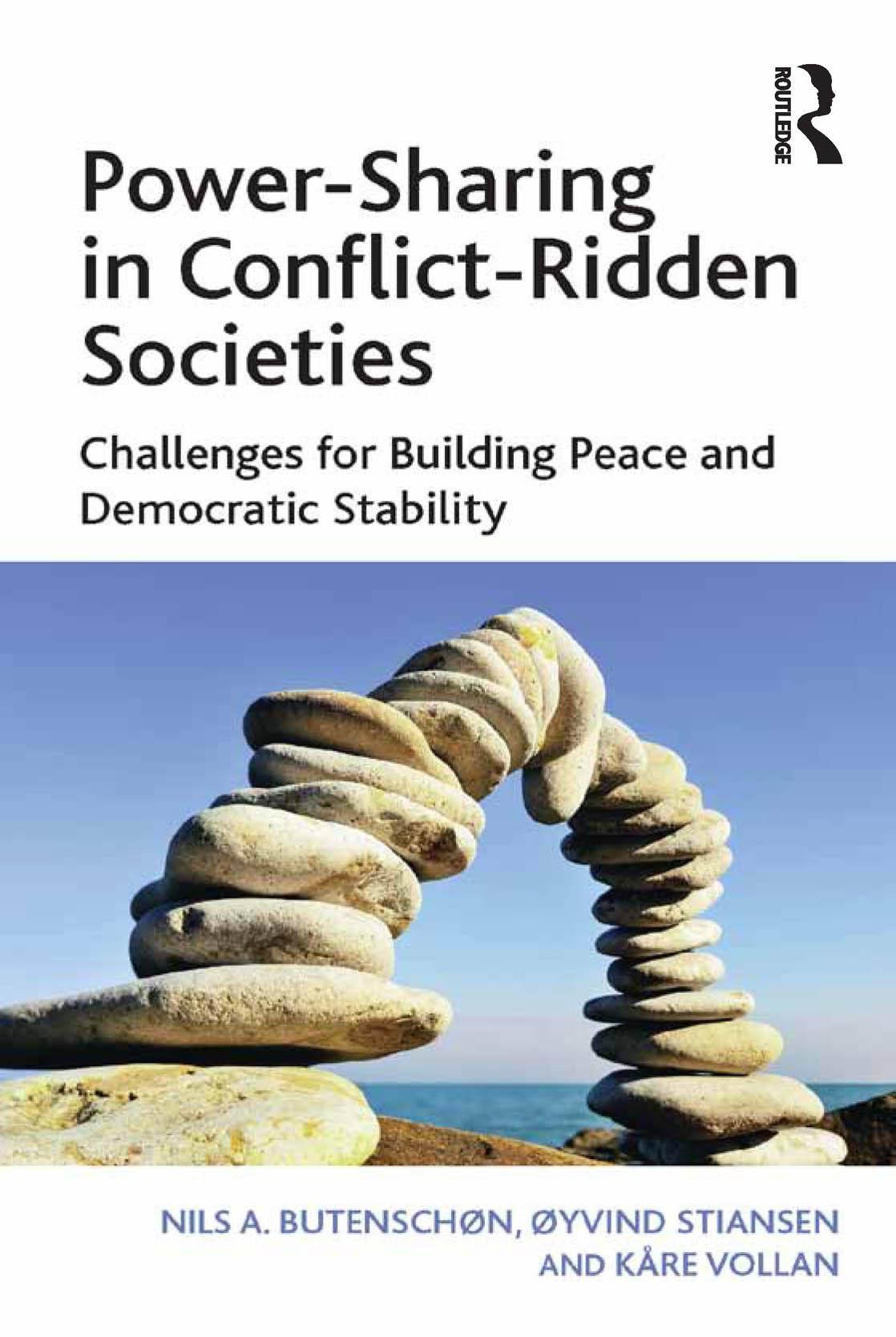
Based on a unique comparative study of Burundi, Rwanda, Ethiopia, Lebanon, Bosnia-Herzegovina, Nepal, Myanmar, the Philippines, and Fiji this book analyses the formal and informal arrangements defining the post-conflict political order in these countries and evaluates whether these systems strengthened or weakened the chances of establishing sustainable peace and lasting democracy. What can be learned from these cases? Each country has it unique history but they are faced with comparable challenges and dilemmas in building a democratic future. Which solutions seem to contribute to democratic stability and which do not? These questions are discussed in light of theoretical literature, case studies, and field interviews with the authors concluding that systems based on proportional representation offered the best prospects for including diverse and conflicting identities and building unified political systems. The book is of particular interest to students of democracy and peace-building; academics as well as decision-makers and practitioners in the field.
Sider: 374
Kategori: Statsvetenskap & Politik
e-ISBN: 9781317076742
Forsendelsesvægt: 1.2 kg
Sendes inden for: 1-2 dage
Betal nemt med kort, Klarna, Apple Pay eller Google Pay. Ikke tilfreds? Du har altid 14 dages fortrydelsesret. Læs mere i vores vilkår. Har du spørgsmål, så send os en mail på hello@memmo.org.
Memmo gør det nemmere at studere – uanset hvor du er i verden. Hos os samler du dine kursusbøger og smarte studieværktøjer ét sted: resuméer, quizzer, podcasts og flashcards. Og så er der Ted, din studieven, der svarer på alt, du undrer dig over. Over 50 000 studerende studerer allerede her – bygget til at hjælpe dig med at lære hurtigere og stresse mindre.
Du kan måske også lide
Køb bogen0