
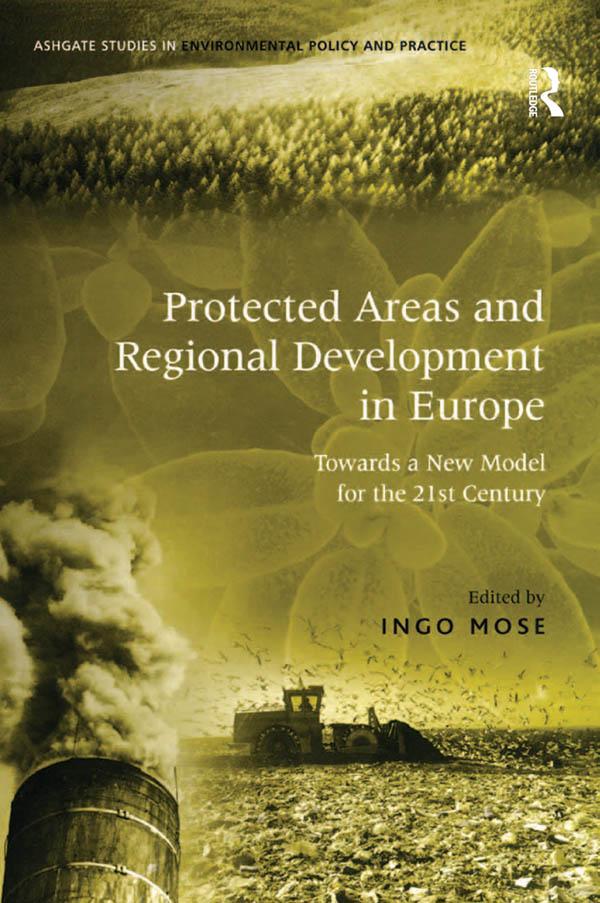
While originally created as reserves for beautiful landscapes and endangered species, protected areas in Europe were subsequently used as a means to preserve whole ecosystems, with restrictions on human activities and impacts. More recently, protected areas are also being considered as instruments for regional development, particularly in marginal regions facing severe economic and socio-cultural problems. Contrary to previous conservation-focused policies, new approaches aim to blend conservation and development functions, making protected areas real 'living landscapes' and integrating activities such as agriculture, forestry, handicrafts, tourism and education with the conservation and sustainability aspects. The past decade has seen a marked increase in these innovative and dynamic types of protected areas. However, the policies of individual European countries are very varied. This volume provides a comprehensive overview of the relationship between protected areas and regional development policies, both in theory and practice. Illustrated with a wide range of case studies from across Europe, it compares the different concepts, strategies and instruments being used. In conclusion, it suggests the most innovative and successful ways to use protected areas for regeneration and sustainable regional development.
Betal nemt med kort, Klarna, Apple Pay eller Google Pay. Ikke tilfreds? Du har altid 14 dages fortrydelsesret. Læs mere i vores vilkår. Har du spørgsmål, så send os en mail på hello@memmo.org.
Memmo gør det nemmere at studere – uanset hvor du er i verden. Hos os samler du dine kursusbøger og smarte studieværktøjer ét sted: resuméer, quizzer, podcasts og flashcards. Og så er der Ted, din studieven, der svarer på alt, du undrer dig over. Over 50 000 studerende studerer allerede her – bygget til at hjælpe dig med at lære hurtigere og stresse mindre.
Du kan måske også lide
Køb bogen0