
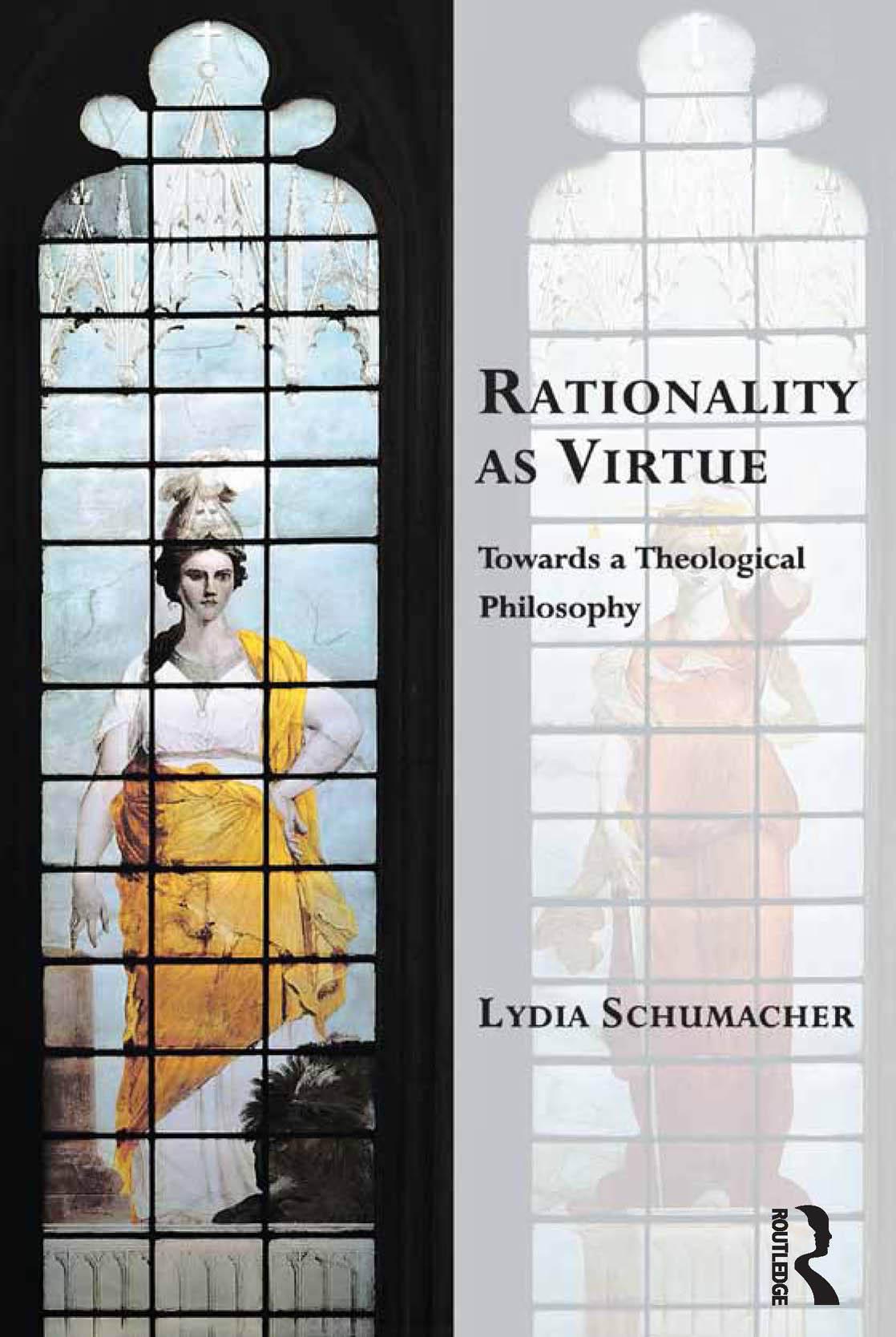
For much of the modern period, theologians and philosophers of religion have struggled with the problem of proving that it is rational to believe in God. Drawing on the thought of Thomas Aquinas, this book lays the foundation for an innovative effort to overturn the longstanding problem of proving faith's rationality, and to establish instead that rationality requires to be explained by appeals to faith. To this end, Schumacher advances the constructive argument that rationality is not only an epistemological question concerning the soundness of human thoughts, which she defines in terms of ’intellectual virtue’. Ultimately, it is an ethical question whether knowledge is used in ways that promote an individual's own flourishing and that of others. That is to say, rationality in its paradigmatic form is a matter of moral virtue, which should nonetheless entail intellectual virtue. This conclusion sets the stage for Schumacher's argument in a companion book, Theological Philosophy, which explains how Christian faith provides an exceptionally robust rationale for rationality, so construed, and is intrinsically rational in that sense.
Betal nemt med kort, Klarna, Apple Pay eller Google Pay. Ikke tilfreds? Du har altid 14 dages fortrydelsesret. Læs mere i vores vilkår. Har du spørgsmål, så send os en mail på hello@memmo.org.
Memmo gør det nemmere at studere – uanset hvor du er i verden. Hos os samler du dine kursusbøger og smarte studieværktøjer ét sted: resuméer, quizzer, podcasts og flashcards. Og så er der Ted, din studieven, der svarer på alt, du undrer dig over. Over 50 000 studerende studerer allerede her – bygget til at hjælpe dig med at lære hurtigere og stresse mindre.
Du kan måske også lide
Køb bogen0