
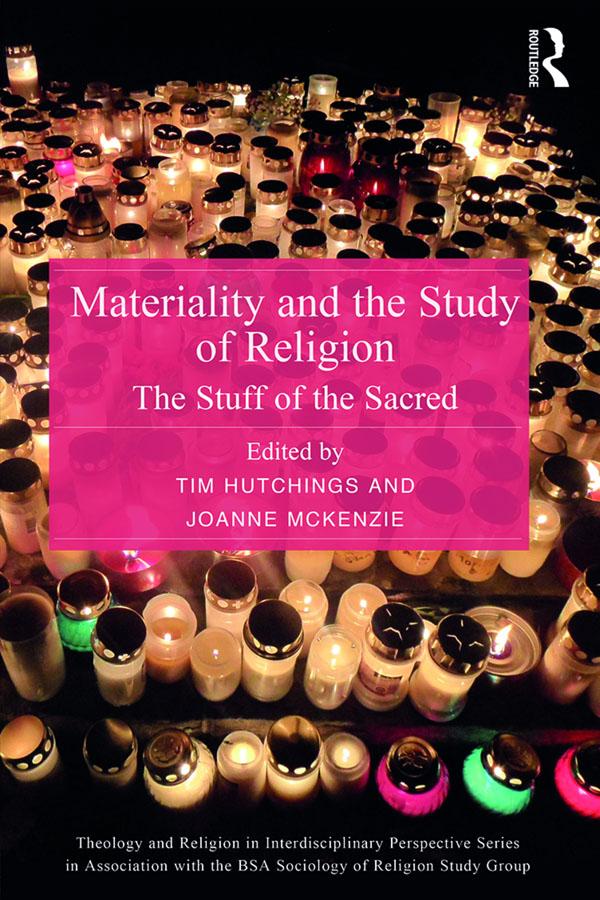
Material culture has emerged in recent decades as a significant theoretical concern for the study of religion. This book contributes to and evaluates this material turn, presenting thirteen chapters of new empirical research and theoretical reflection from some of the leading international scholars of material religion. Following a model for material analysis proposed in the first chapter by David Morgan, the contributors trace the life cycle of religious materiality through three phases: the production of religious objects, their classification as religious (or non-religious), and their circulation and use in material culture.
The chapters in this volume consider how objects become and cease to be sacred, how materiality can be used to contest access to public space and resources, and how religion is embodied and performed by individuals in their everyday lives. Contributors discuss the significance of the materiality of religion across different religious traditions and diverse geographical regions, paying close attention to gender, age, ethnicity, memory and politics. The volume closes with an afterword by Manuel Vásquez.
Betal nemt med kort, Klarna, Apple Pay eller Google Pay. Ikke tilfreds? Du har altid 14 dages fortrydelsesret. Læs mere i vores vilkår. Har du spørgsmål, så send os en mail på hello@memmo.org.
Memmo gør det nemmere at studere – uanset hvor du er i verden. Hos os samler du dine kursusbøger og smarte studieværktøjer ét sted: resuméer, quizzer, podcasts og flashcards. Og så er der Ted, din studieven, der svarer på alt, du undrer dig over. Over 50 000 studerende studerer allerede her – bygget til at hjælpe dig med at lære hurtigere og stresse mindre.