
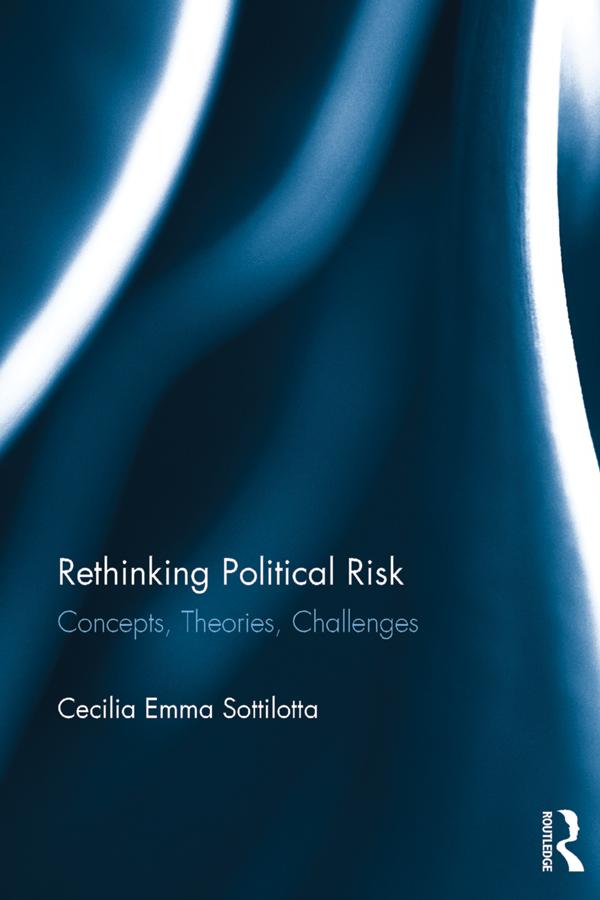
Political risk was first introduced as a component for assessing risk not directly linked to economic factors following the flow of capital from the US to Europe after the Second World War. However, the concept has rapidly gained relevance since, with both public and private institutions developing complex methodologies designed to evaluate political risk factors and keep pace with the internationalization of trade and investment. Continued global and regional economic and political instability means a plethora of different actors today conduct a diverse range of political risk analyses and assessments. Starting from the epistemological foundations of political risk, this books bridges the gap between theory and practice, exploring operationalization and measurement issues with the support of an empirical case study on the Arab uprisings, discussing the role of expert judgment in political forecasting, and highlighting the main challenges and opportunities political risk analysts face in the wake of the digital revolution.
Betal nemt med kort, Klarna, Apple Pay eller Google Pay. Ikke tilfreds? Du har altid 14 dages fortrydelsesret. Læs mere i vores vilkår. Har du spørgsmål, så send os en mail på hello@memmo.org.
Memmo gør det nemmere at studere – uanset hvor du er i verden. Hos os samler du dine kursusbøger og smarte studieværktøjer ét sted: resuméer, quizzer, podcasts og flashcards. Og så er der Ted, din studieven, der svarer på alt, du undrer dig over. Over 50 000 studerende studerer allerede her – bygget til at hjælpe dig med at lære hurtigere og stresse mindre.