
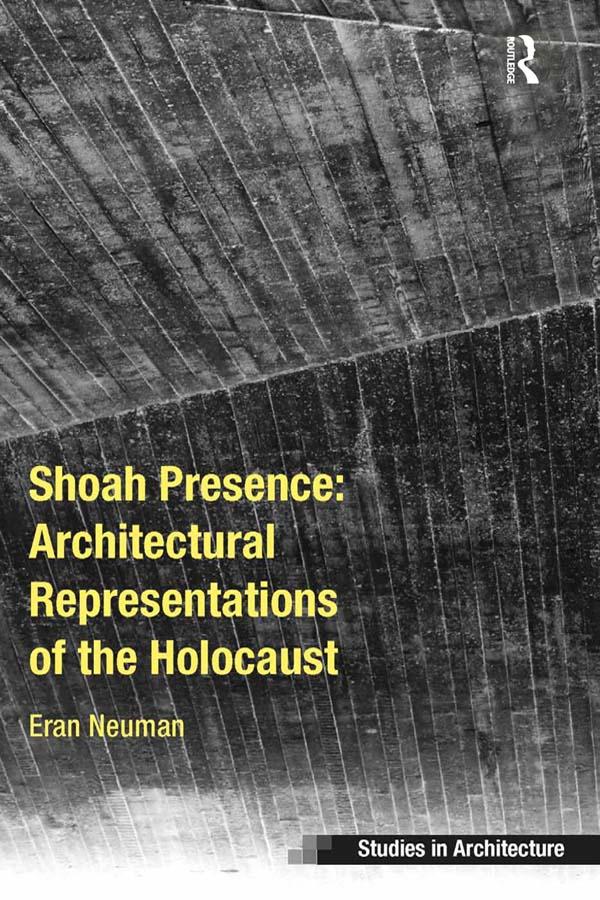
Through the analysis of several commemorative acts in space, matter and image, namely museums and memorials, this book reflects on the ways in which architecture as a discipline, a practice and a discourse represents the Holocaust. In doing so, it problematises how one presents an extreme historical case in a contemporary context and integrates the historical into actuality. By examining several cases, the book defines the issues faced by various architects who dealt with this topic and discusses their separate and distinctive approaches. In each case, it analyses the ways in which the cultural and political contexts of commemoration led to a different interpretation of the condition. Focusing on the Ghetto Fighters’ House, the world’s first Holocaust museum; Yad Vashem, Israel’s national Holocaust memorial in Jerusalem; the US Holocaust Memorial Museum in Washington; and the Holocaust Memorial in Berlin, the book discusses how the representation of history by architecture creates a dialectic process in which architecture mediates the past to the present, while at the same time creating a present saturated with historical contexts. It shows how, together, they are incorporated into one another and create a new reality: past and present intertwined.
Betal nemt med kort, Klarna, Apple Pay eller Google Pay. Ikke tilfreds? Du har altid 14 dages fortrydelsesret. Læs mere i vores vilkår. Har du spørgsmål, så send os en mail på hello@memmo.org.
Memmo gør det nemmere at studere – uanset hvor du er i verden. Hos os samler du dine kursusbøger og smarte studieværktøjer ét sted: resuméer, quizzer, podcasts og flashcards. Og så er der Ted, din studieven, der svarer på alt, du undrer dig over. Over 50 000 studerende studerer allerede her – bygget til at hjælpe dig med at lære hurtigere og stresse mindre.
Du kan måske også lide
Køb bogen0