
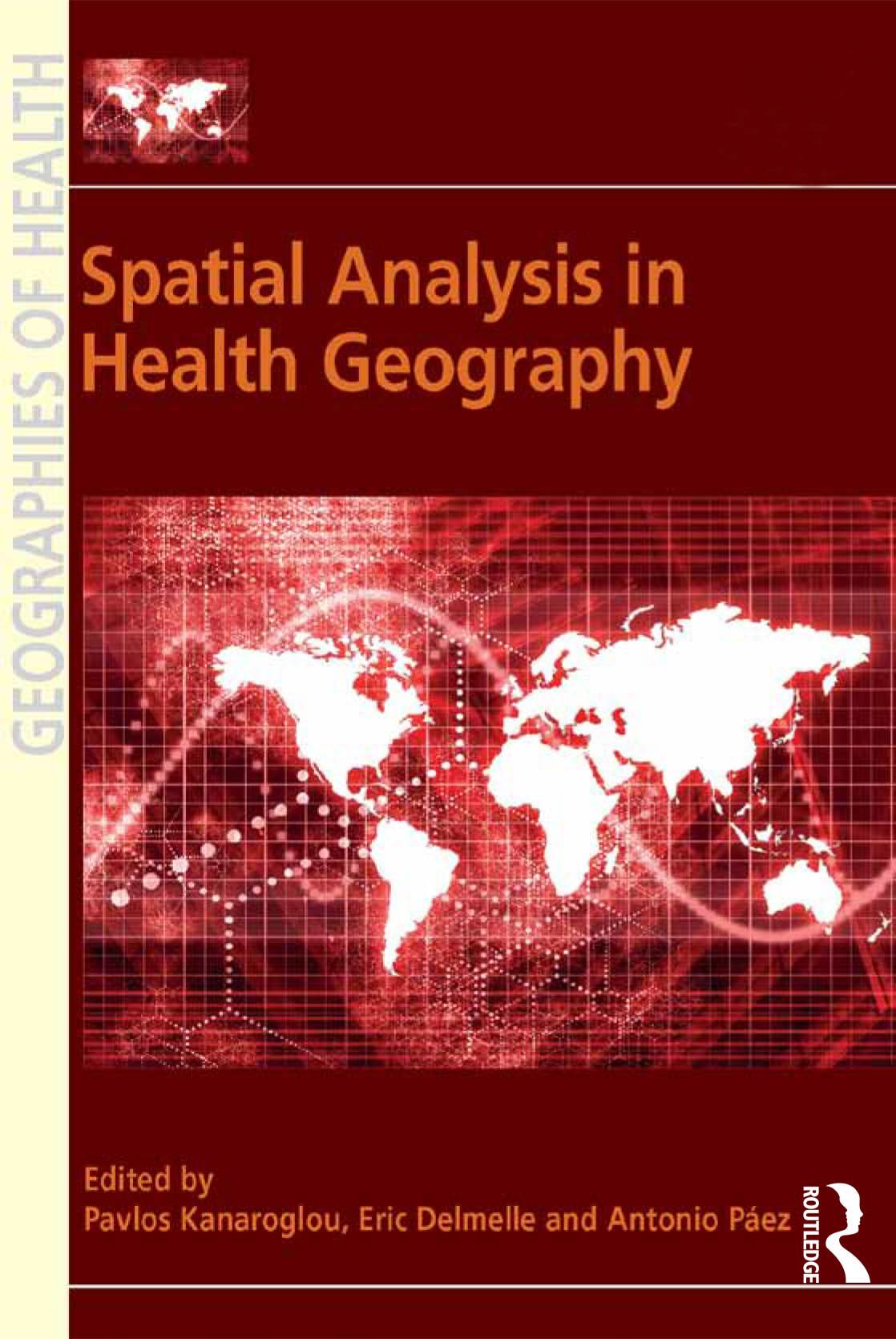
Presenting current research on spatial epidemiology, this book covers topics such as exposure, chronic disease, infectious disease, accessibility to health care settings and new methods in Geographical Information Science and Systems. For epidemiologists, and for the management and administration of health care settings, it is critical to understand the spatial dynamics of disease. For instance, it is crucial that hospital administrators develop an understanding of the flow of patients over time, especially during an outbreak of a particular disease, so they can plan for appropriate levels of staffing and to carry out adaptive prevention measures. Furthermore, understanding where and why a disease occurs at a certain geographic location is vital for decision makers to formulate policy to increase the accessibility to health services (either by prevention, or adding new facilities). Spatial epidemiology relies increasingly on new methodologies, such as clustering algorithms, visualization and space-time modelling, the domain of Geographic Information Science. Implementation of those techniques appears at an increasing pace in commercial Geographic Information Systems, alongside more traditional techniques that are already part of such systems. This book provides the latest methods in GI Science and their use in health related problems.
Betal nemt med kort, Klarna, Apple Pay eller Google Pay. Ikke tilfreds? Du har altid 14 dages fortrydelsesret. Læs mere i vores vilkår. Har du spørgsmål, så send os en mail på hello@memmo.org.
Memmo gør det nemmere at studere – uanset hvor du er i verden. Hos os samler du dine kursusbøger og smarte studieværktøjer ét sted: resuméer, quizzer, podcasts og flashcards. Og så er der Ted, din studieven, der svarer på alt, du undrer dig over. Over 50 000 studerende studerer allerede her – bygget til at hjælpe dig med at lære hurtigere og stresse mindre.
Du kan måske også lide
Køb bogen0