
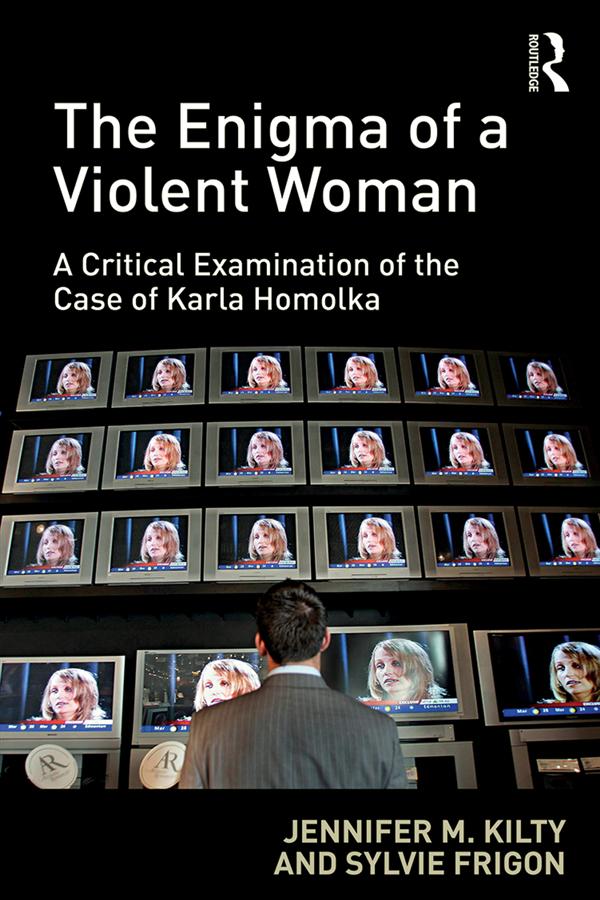
Karla Homolka has proven to be a figure of enduring interest to the public and media for the last 20 years. However, despite the widespread Canadian and international public commentary and media frenzy that has encircled this case, Homolka herself remains an enigma to most who write about her.
In contrast to much of the contemporary discussion on this case, this book offers a comprehensive and detailed examination of the legal, public and media understandings and explanations of Homolka’s criminality. Drawing from multiple fields of study and varied bodies of critical literature, the book uses Homolka as an object lesson to interrogate some of the narratives and conceptualizations of ‘violent women’, the problematic normative constructions of womanhood and ‘acceptable femininity’, leniency in sentencing, taboo and disgust, and questions of remorse.
The authors address broad questions about how women convicted of violence are typically constructed across four sites: the courts; the academy; the mainstream media; and public discourse. This unique text is extremely important for feminist criminology and socio-legal studies, offering the first comprehensive academic effort to engage in dialogue about this important and fascinating case.
Betal nemt med kort, Klarna, Apple Pay eller Google Pay. Ikke tilfreds? Du har altid 14 dages fortrydelsesret. Læs mere i vores vilkår. Har du spørgsmål, så send os en mail på hello@memmo.org.
Memmo gør det nemmere at studere – uanset hvor du er i verden. Hos os samler du dine kursusbøger og smarte studieværktøjer ét sted: resuméer, quizzer, podcasts og flashcards. Og så er der Ted, din studieven, der svarer på alt, du undrer dig over. Over 50 000 studerende studerer allerede her – bygget til at hjælpe dig med at lære hurtigere og stresse mindre.