
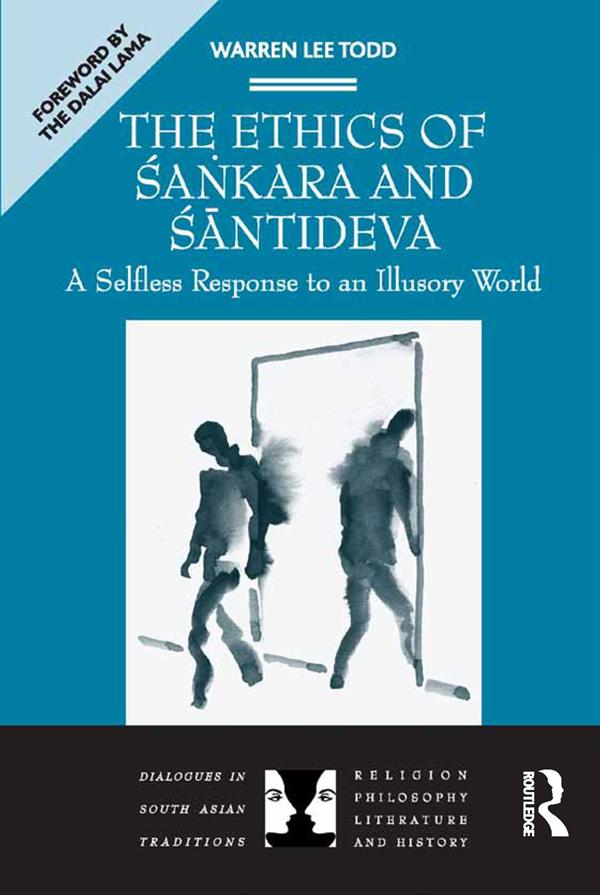
Exploring the philosophical concerns of the nature of self, this book draws from two of the most influential Indian masters, Śaṅkara and Śāntideva. Todd demonstrates that an ethics of altruism is still possible within a metaphysics which assumes there to be no independent self. A new ethical model based on the notions of ’flickering consciousness’ and ’constructive altruism’ is proposed. By comparing the metaphysics and ethics of Śaṅkara and Śāntideva, Todd shows that the methodologies and aims of these Buddhist and Hindu masters trace remarkably similar cross-cutting paths. Treating Buddhism and Hinduism with equal respect, this book compares and reinterprets the Indian material so as to engage with contemporary Western debates on self and to show that Indian philosophy is indeed a philosophy of dialogue.
Betal nemt med kort, Klarna, Apple Pay eller Google Pay. Ikke tilfreds? Du har altid 14 dages fortrydelsesret. Læs mere i vores vilkår. Har du spørgsmål, så send os en mail på hello@memmo.org.
Memmo gør det nemmere at studere – uanset hvor du er i verden. Hos os samler du dine kursusbøger og smarte studieværktøjer ét sted: resuméer, quizzer, podcasts og flashcards. Og så er der Ted, din studieven, der svarer på alt, du undrer dig over. Over 50 000 studerende studerer allerede her – bygget til at hjælpe dig med at lære hurtigere og stresse mindre.