
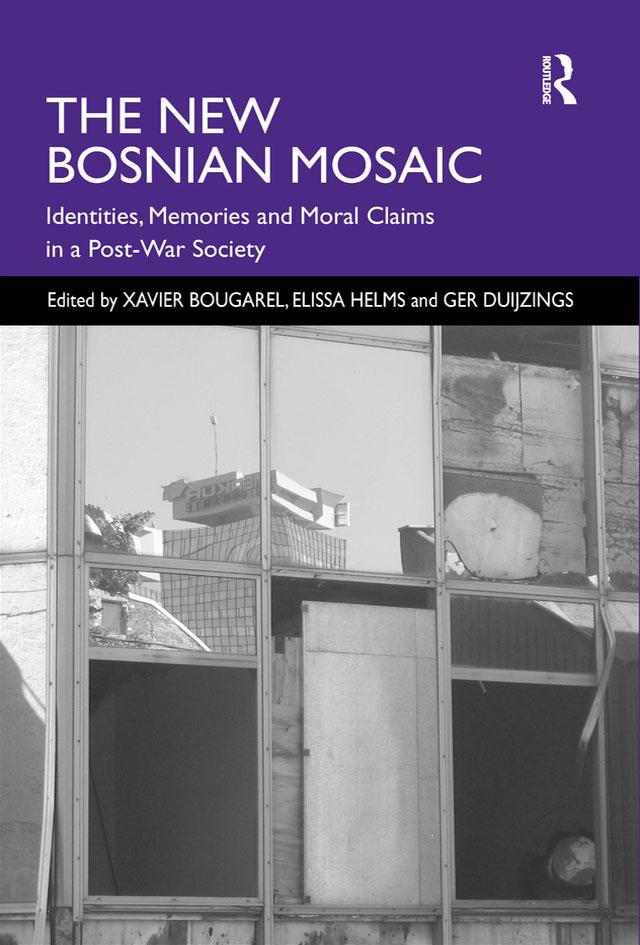
Since the violent events of the Bosnian war and the revelations of ethnic cleansing that shocked the world in the early 1990s, Bosnia has become a metaphor for the new ethnic nationalisms, for the transformation of warfare in the post-Cold War era, and for new forms of peacekeeping and state-building. This book is unique in offering a re-examination of the Bosnian case with a 'bottom-up' perspective. It gathers together cultural anthropologists and other social scientists to consider the specificities of the Bosnian case. However, the book also raises broader questions: what are the consequences of internecine violence and how should societies attempt to overcome them? Are the uncertainties and the transformations of Bosnian post-war society due entirely to the war, or are they related to wider processes encompassing post-communist Europe as a whole? And are the difficulties experienced by international state-building operations mainly due to distinctive features of the local societies or are they due to the policies promoted by the international community itself?
Betal nemt med kort, Klarna, Apple Pay eller Google Pay. Ikke tilfreds? Du har altid 14 dages fortrydelsesret. Læs mere i vores vilkår. Har du spørgsmål, så send os en mail på hello@memmo.org.
Memmo gør det nemmere at studere – uanset hvor du er i verden. Hos os samler du dine kursusbøger og smarte studieværktøjer ét sted: resuméer, quizzer, podcasts og flashcards. Og så er der Ted, din studieven, der svarer på alt, du undrer dig over. Over 50 000 studerende studerer allerede her – bygget til at hjælpe dig med at lære hurtigere og stresse mindre.
Du kan måske også lide
Køb bogen0