
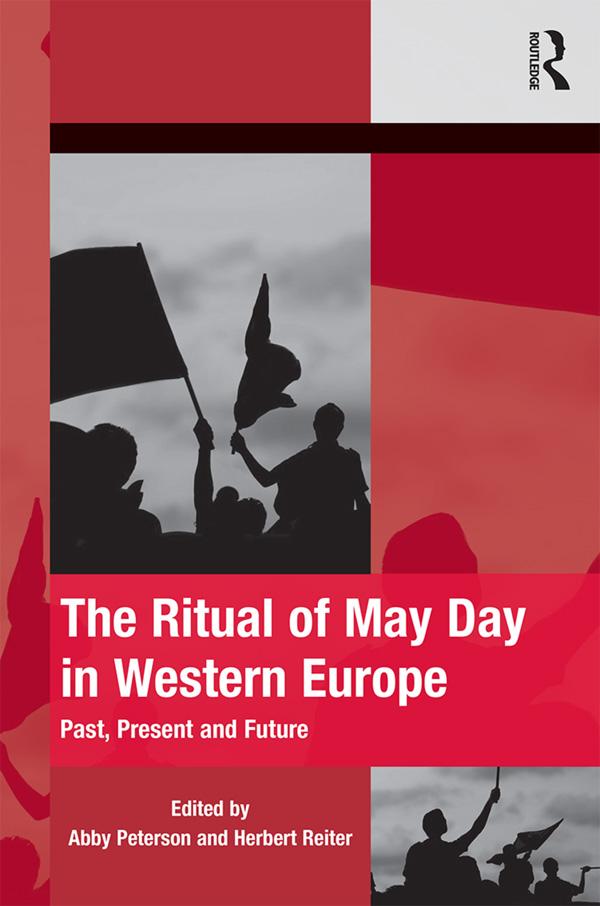
Eric Hobsbawm claimed that the international May Day, which dates back to a proclamation in 1889 by the Second International, 'is perhaps the most ambitious of labour rituals'. The first international May Day demonstrations in 1890 were widely celebrated across Europe and became the one day each year when organized labour could present its goals to the public, an eight-hour workday being the first concrete demand, shortly followed by those for improved working conditions, universal suffrage, peace among nations, and international solidarity. The May Day ritual celebration was the self-assertion and self-definition of the new labour class through class organization. Thus, it was trade unions and social democratic and socialist parties throughout Europe which took the initiative and have sustained May Day as a labour ritual to this day. Part I of this theoretically-informed volume explores how May Day demonstrations have evolved and taken different trajectories in different political contexts. Part II focuses on May Day rituals today. By comparing demonstration level data of over 2000 questionnaires from six countries, including Belgium, Italy, Spain, Sweden, Switzerland and the UK, the reader is able to gain a thorough understanding of how participants are bestowing meaning on May Day rituals. By concluding with reflections on the future of the May Day ritual in Western Europe, this ground-breaking book provides a detailed analysis of its evolution as a protest event.
Betal nemt med kort, Klarna, Apple Pay eller Google Pay. Ikke tilfreds? Du har altid 14 dages fortrydelsesret. Læs mere i vores vilkår. Har du spørgsmål, så send os en mail på hello@memmo.org.
Memmo gør det nemmere at studere – uanset hvor du er i verden. Hos os samler du dine kursusbøger og smarte studieværktøjer ét sted: resuméer, quizzer, podcasts og flashcards. Og så er der Ted, din studieven, der svarer på alt, du undrer dig over. Over 50 000 studerende studerer allerede her – bygget til at hjælpe dig med at lære hurtigere og stresse mindre.