
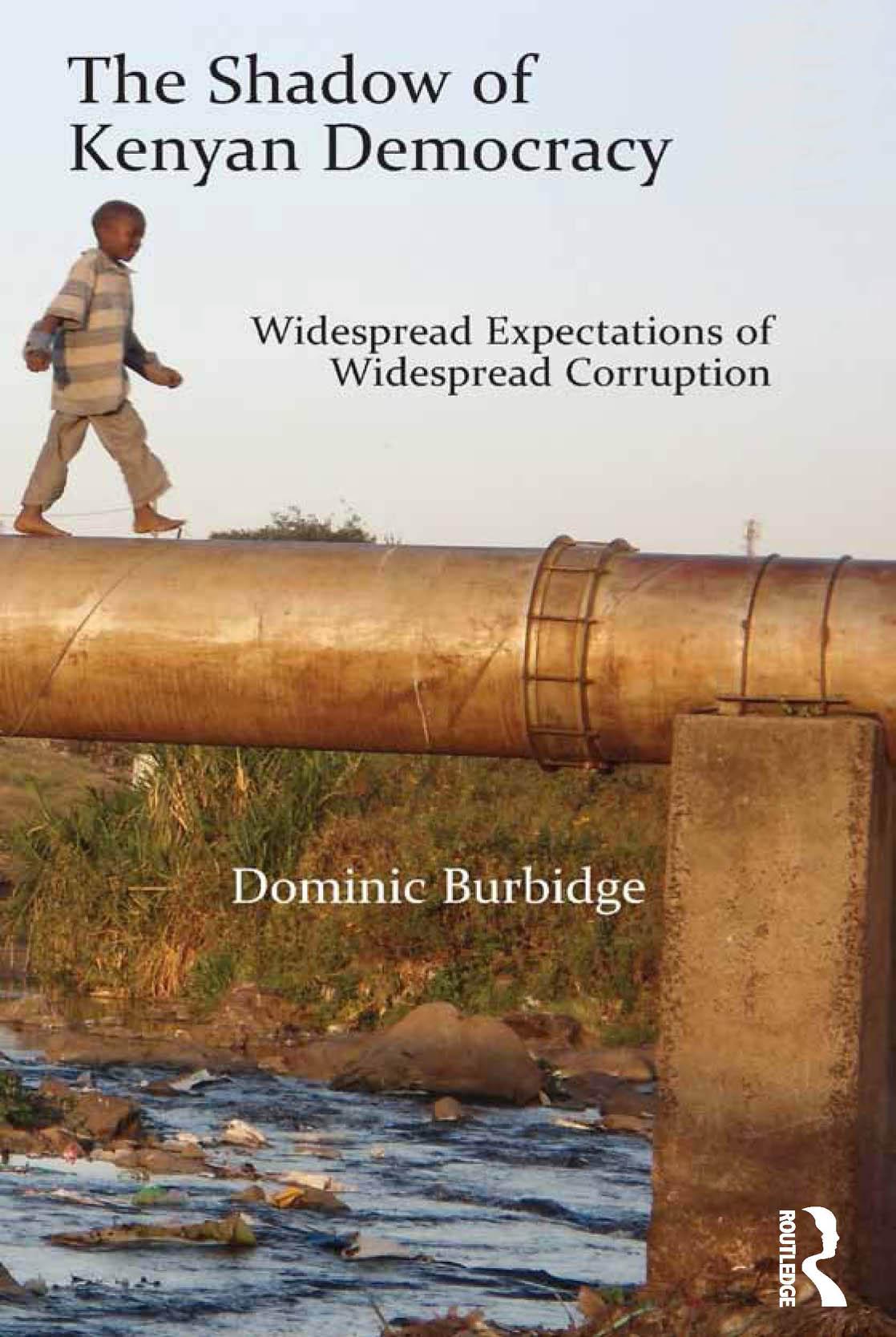
Why has democracy failed to reduce corruption in Kenya? Framing the challenge in game theoretical terms, Dominic Burbidge examines how mutual expectations between citizens dictate the success or failure of political reforms. Since 1992, Kenya has conducted multiparty elections with the hope of promoting accountability and transparency in government. This is being undermined by ongoing corruption and an increasingly centralised state response to terrorism. Providing a nuanced assessment of democracy’s difficult road in Kenya, Burbidge discusses the independent role being played by widespread social expectations of corruption. Through tracking average views of the average person, it is possible to identify a threshold beyond which society suffers mutually reinforcing negative social expectations. This trend is the shadow of Kenyan democracy, and must be treated as a policy challenge on its own terms before institutional reforms will be successful.
Betal nemt med kort, Klarna, Apple Pay eller Google Pay. Ikke tilfreds? Du har altid 14 dages fortrydelsesret. Læs mere i vores vilkår. Har du spørgsmål, så send os en mail på hello@memmo.org.
Memmo gør det nemmere at studere – uanset hvor du er i verden. Hos os samler du dine kursusbøger og smarte studieværktøjer ét sted: resuméer, quizzer, podcasts og flashcards. Og så er der Ted, din studieven, der svarer på alt, du undrer dig over. Over 50 000 studerende studerer allerede her – bygget til at hjælpe dig med at lære hurtigere og stresse mindre.
Du kan måske også lide
Køb bogen0