
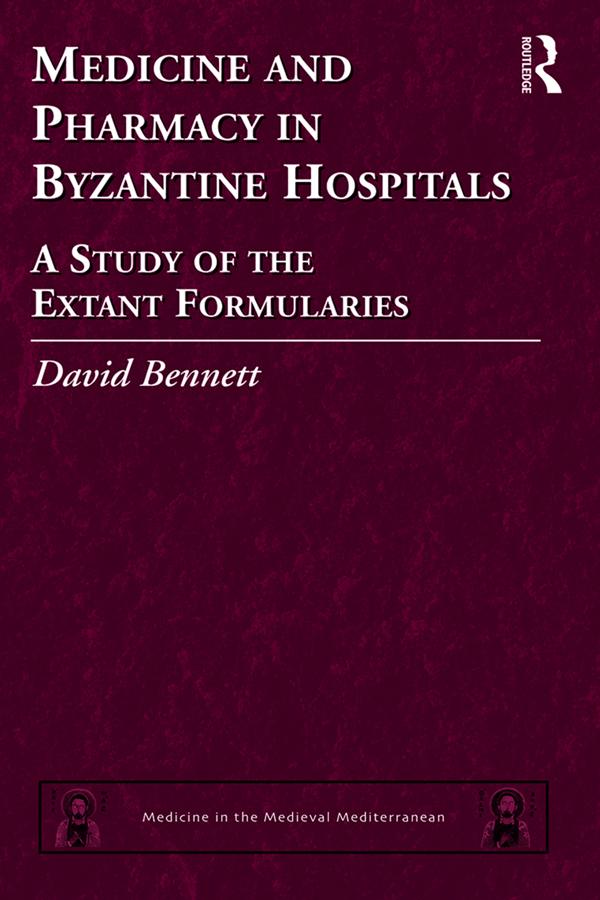
Scholars have made conflicting claims for Byzantine hospitals as medical institutions and as the forebears of the modern hospital. In this study is the first systematic examination of the evidence of the xenôn texts, or Xenonika, on which all such claims must in part rest. These texts, compiled broadly between the ninth and thirteenth centuries, are also transcribed or edited, with the exception of the combined texts of Romanos and Theophilos that, the study proposes, were originally a single manual and teaching work for doctors, probably based on xenôn practice. A schema of their combined chapter headings sets out the unified structure of this text. A short handlist briefly describes the principal manuscripts referred to throughout the study. The introduction briefly examines our evidence for the xenônes from the early centuries of the East Roman Empire to the fall of Constantinople in 1453. Chapter 3 examines the texts in xenon medical practice and compares them to some other medical manuals and remedy texts of the Late period and to their structures. The xenôn-ascribed texts are discussed one by one in chapters 4–8; the concluding chapter 9 draw together the common, as well as the divergent, aspects of each text and looks to the comparative evidence for hospital medical practice of the time in the West.
Betal nemt med kort, Klarna, Apple Pay eller Google Pay. Ikke tilfreds? Du har altid 14 dages fortrydelsesret. Læs mere i vores vilkår. Har du spørgsmål, så send os en mail på hello@memmo.org.
Memmo gør det nemmere at studere – uanset hvor du er i verden. Hos os samler du dine kursusbøger og smarte studieværktøjer ét sted: resuméer, quizzer, podcasts og flashcards. Og så er der Ted, din studieven, der svarer på alt, du undrer dig over. Over 50 000 studerende studerer allerede her – bygget til at hjælpe dig med at lære hurtigere og stresse mindre.