
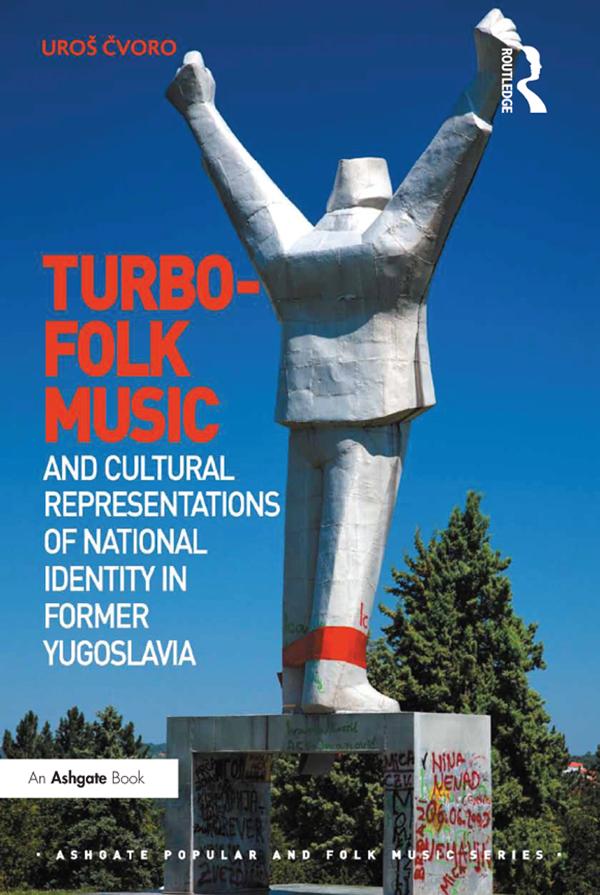
Turbo-folk music is the most controversial form of popular culture in the new states of former Yugoslavia. Theoretically ambitious and innovative, this book is a new account of popular music that has been at the centre of national, political and cultural debates for over two decades. Beginning with 1970s Socialist Yugoslavia, Uroš Čvoro explores the cultural and political paradoxes of turbo-folk: described as ’backward’ music, whose misogynist and Serb nationalist iconography represents a threat to cosmopolitanism, turbo-folk’s iconography is also perceived as a ’genuinely Balkan’ form of resistance to the threat of neo-liberalism. Taking as its starting point turbo-folk’s popularity across national borders, Čvoro analyses key songs and performers in Serbia, Slovenia and Croatia. The book also examines the effects of turbo on the broader cultural sphere - including art, film, sculpture and architecture - twenty years after its inception and popularization. What is proposed is a new way of reading the relationship of contemporary popular music to processes of cultural, political and social change - and a new understanding of how fundamental turbo-folk is to the recent history of former Yugoslavia and its successor states.
Betal nemt med kort, Klarna, Apple Pay eller Google Pay. Ikke tilfreds? Du har altid 14 dages fortrydelsesret. Læs mere i vores vilkår. Har du spørgsmål, så send os en mail på hello@memmo.org.
Memmo gør det nemmere at studere – uanset hvor du er i verden. Hos os samler du dine kursusbøger og smarte studieværktøjer ét sted: resuméer, quizzer, podcasts og flashcards. Og så er der Ted, din studieven, der svarer på alt, du undrer dig over. Over 50 000 studerende studerer allerede her – bygget til at hjælpe dig med at lære hurtigere og stresse mindre.
Du kan måske også lide
Køb bogen0