
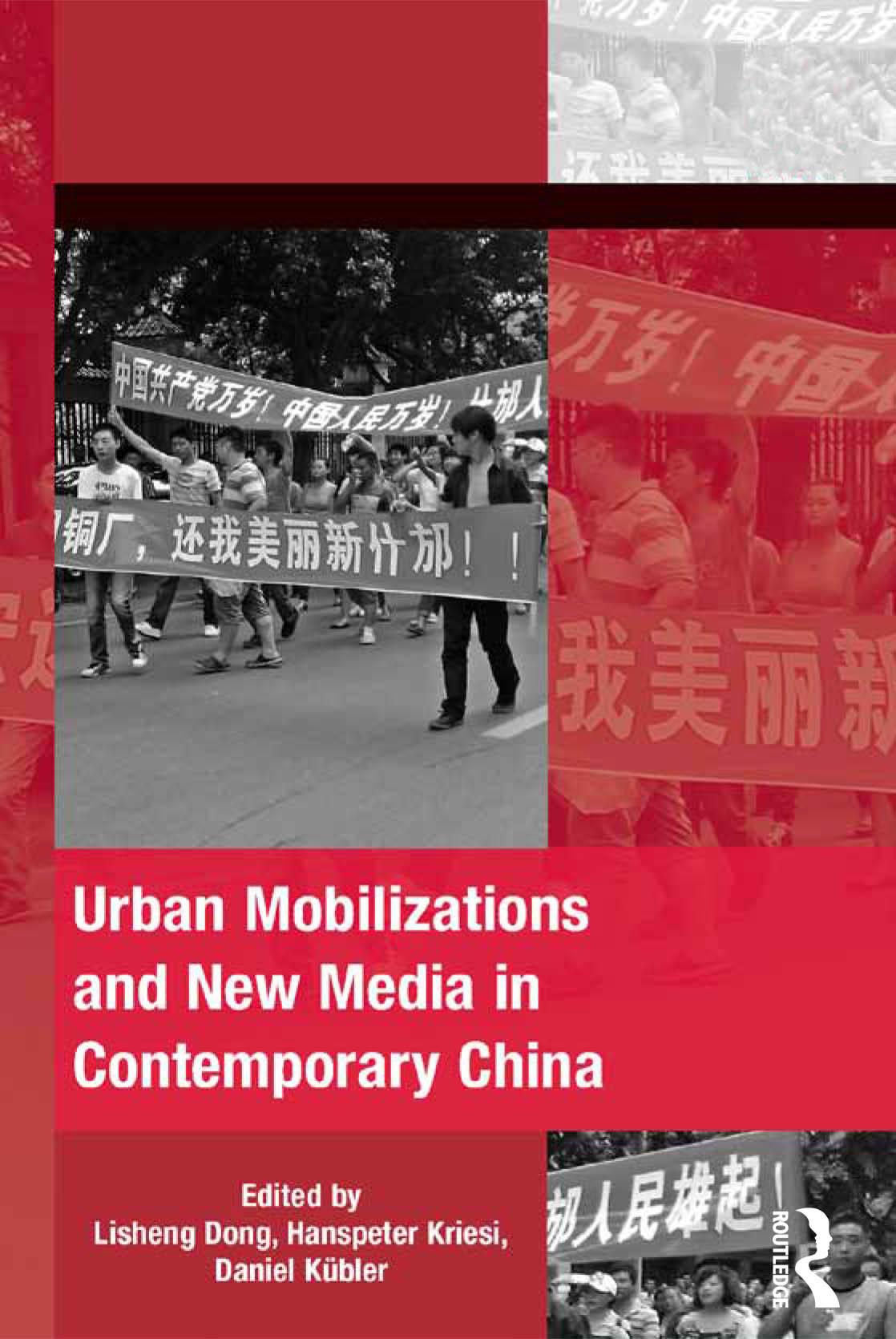
Popular protests are on the rise in China. However, since protesters rely on existing channels of participation and on patronage by elite backers, the state has been able to stymie attempts to generalize resistance and no large scale political movements have significantly challenged party rule. Yet the Chinese state is not monolithic. Decentralization has increased the power of local authorities, creating space for policy innovations and opening up the political opportunity structure. Popular protest in China - particularly in urban realm- not only benefits from the political fragmentation of the state, but also from the political communications revolution. The question of how and to what extent the internet can be used for mobilizing popular resistance in China is hotly debated. The government, virtual social organizations, and individual netizens both cooperate and compete with each other on the web. New media both increases the scope of the mobilizers and the mobilized (thereby creating new social capital), and provides the government with new means of social control (thereby limiting the political impact of the growing social capital). This volume is the first of its kind to assess the ways new media influence the mobilization of popular resistance and its possible effects in China today.
Betal nemt med kort, Klarna, Apple Pay eller Google Pay. Ikke tilfreds? Du har altid 14 dages fortrydelsesret. Læs mere i vores vilkår. Har du spørgsmål, så send os en mail på hello@memmo.org.
Memmo gør det nemmere at studere – uanset hvor du er i verden. Hos os samler du dine kursusbøger og smarte studieværktøjer ét sted: resuméer, quizzer, podcasts og flashcards. Og så er der Ted, din studieven, der svarer på alt, du undrer dig over. Over 50 000 studerende studerer allerede her – bygget til at hjælpe dig med at lære hurtigere og stresse mindre.
Du kan måske også lide
Køb bogen0