
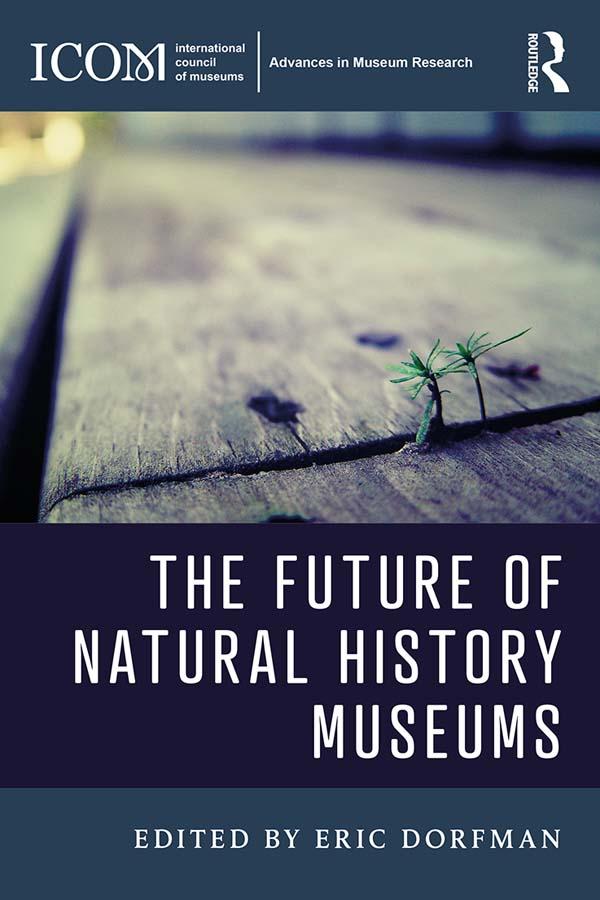
Natural history museums are changing, both because of their own internal development and in response to changes in context. Historically, the aim of collecting from nature was to develop encyclopedic assemblages to satisfy human curiosity and build a basis for taxonomic information. Today, with global biodiversity in rapid decline, there are new reasons to build and maintain collections, while audiences are more diverse, numerous, and technically savvy. Institutions must learn to embrace new technology while retaining the authenticity of their stories and the value placed on their objects.
The Future of Natural History Museums begins to develop a cohesive discourse that balances the disparate issues that our institutions will face over the next decades. It disassembles the topic into various key elements and, through commentary and synthesis, explores a cohesive picture of the trajectory of the natural history museum sector.
This book contributes to the study of collections, teaching and learning, ethics, and running non-profit businesses and will be of interest to museum and heritage professionals and academics and senior students in Biological Sciences and Museum Studies.
Betal nemt med kort, Klarna, Apple Pay eller Google Pay. Ikke tilfreds? Du har altid 14 dages fortrydelsesret. Læs mere i vores vilkår. Har du spørgsmål, så send os en mail på hello@memmo.org.
Memmo gør det nemmere at studere – uanset hvor du er i verden. Hos os samler du dine kursusbøger og smarte studieværktøjer ét sted: resuméer, quizzer, podcasts og flashcards. Og så er der Ted, din studieven, der svarer på alt, du undrer dig over. Over 50 000 studerende studerer allerede her – bygget til at hjælpe dig med at lære hurtigere og stresse mindre.