
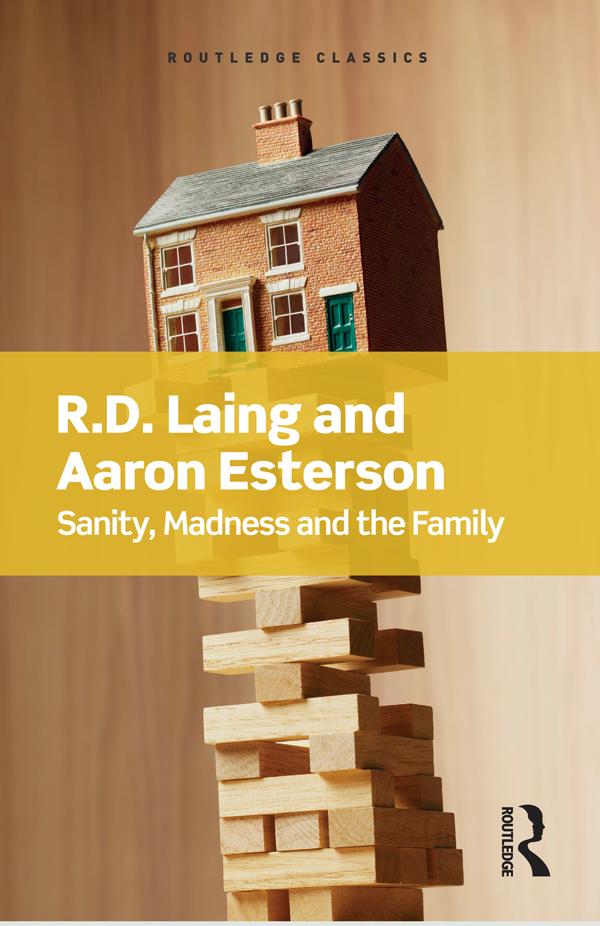
In the late 1950s the psychiatrist R.D.Laing and psychoanalyst Aaron Esterson spent five years interviewing eleven families of female patients diagnosed as 'schizophrenic'. Sanity, Madness and the Family is the result of their work. Eleven vivid case studies, often dramatic and disturbing, reveal patterns of affection and fear, manipulation and indifference within the family. But it was the conclusions they drew from their research that caused such controversy: they suggest that some forms of mental disorder are only comprehensible within their social and family contexts; their symptoms the manifestations of people struggling to live in untenable situations.
Sanity, Madness and the Family was met with widespread hostility by the psychiatric profession on its first publication, where the prevailing view was to treat psychosis as a medical problem to be solved. Yet it has done a great deal to draw attention to the complex and contested nature of psychosis. Above all, Laing and Esterson thought that if you understood the patient's world their apparent madness would become socially intelligible.
This Routledge Classics edition includes a new Foreword by Hilary Mantel.
Betal nemt med kort, Klarna, Apple Pay eller Google Pay. Ikke tilfreds? Du har altid 14 dages fortrydelsesret. Læs mere i vores vilkår. Har du spørgsmål, så send os en mail på hello@memmo.org.
Memmo gør det nemmere at studere – uanset hvor du er i verden. Hos os samler du dine kursusbøger og smarte studieværktøjer ét sted: resuméer, quizzer, podcasts og flashcards. Og så er der Ted, din studieven, der svarer på alt, du undrer dig over. Over 50 000 studerende studerer allerede her – bygget til at hjælpe dig med at lære hurtigere og stresse mindre.