
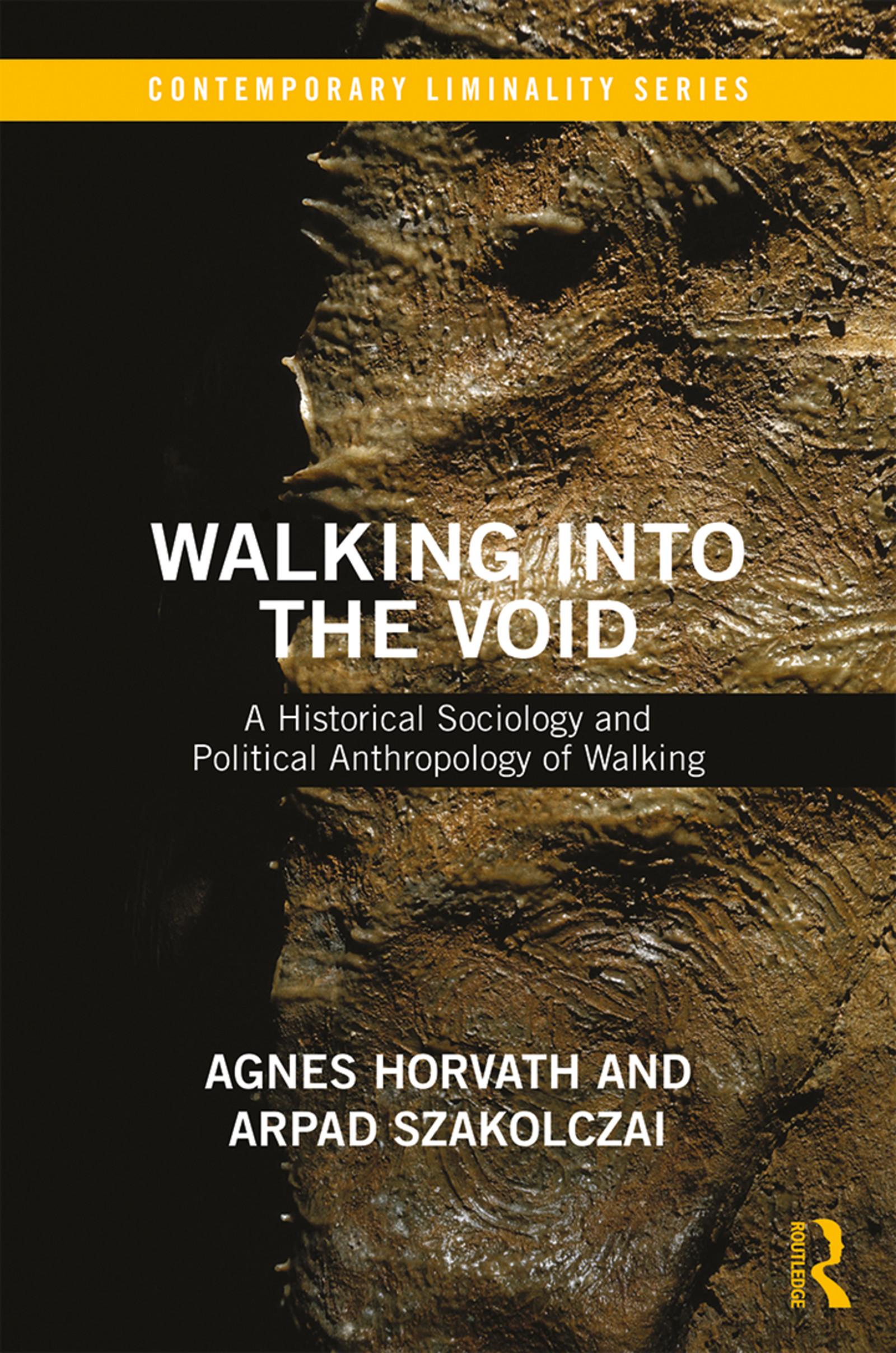
The book starts by discussing the significance of walking for the experience of being human, including a comparative study of the language and cultures of walking. It then reviews in detail, relying on archaeology, two turning points of human history: the emergence of cave art sanctuaries and a new cultural practice of long-distance ‘pilgrimages’, implying a descent into such caves, thus literally the ‘void’; and the abandonment of walking culture through settlement at the end of the Ice Age, around the time when the visiting of cave sanctuaries also stopped. The rise of philosophy and Christianity is then presented as two returns to walking. The book closes by looking at the ambivalent relationship of contemporary modernity to walking, where its radical abandonment is combined with attempts at returns.
The book ventures an unprecedented genealogy of walking culture, bringing together archaeological studies distant in both time and place, and having a special focus on the significance of the rise of representative art for human history. Our genealogy helped to identify settlement not as the glorious origin of civilisation, but rather as a source of an extremely problematic development. The findings of the book should be relevant for social scientists, as well as those interested in walking and its cultural and civilisational significance, or in the direction and meaning of human history.
Betal nemt med kort, Klarna, Apple Pay eller Google Pay. Ikke tilfreds? Du har altid 14 dages fortrydelsesret. Læs mere i vores vilkår. Har du spørgsmål, så send os en mail på hello@memmo.org.
Memmo gør det nemmere at studere – uanset hvor du er i verden. Hos os samler du dine kursusbøger og smarte studieværktøjer ét sted: resuméer, quizzer, podcasts og flashcards. Og så er der Ted, din studieven, der svarer på alt, du undrer dig over. Over 50 000 studerende studerer allerede her – bygget til at hjælpe dig med at lære hurtigere og stresse mindre.