
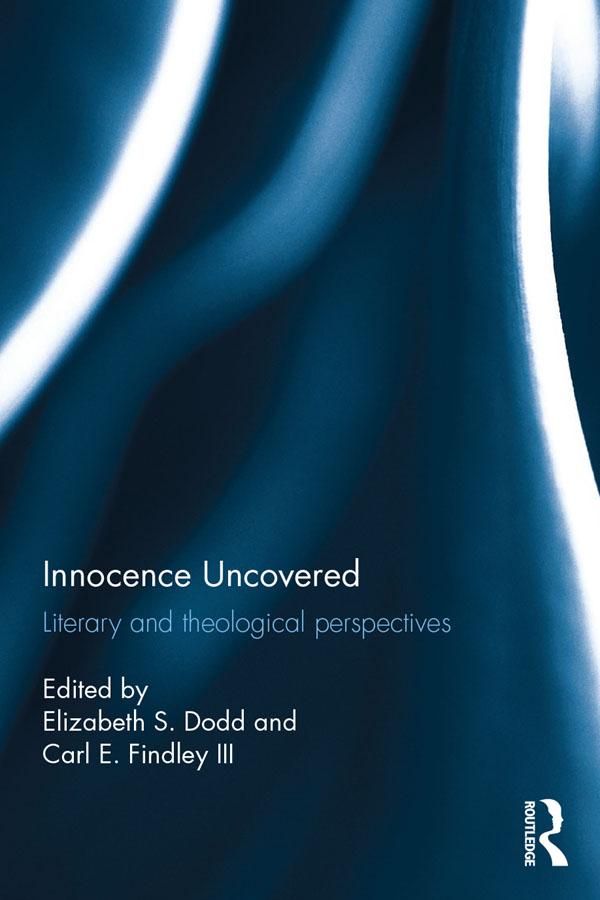
Innocence is a rich and emotive idea, but what does it really mean? This is a significant question both for literary interpretation and theology—yet one without a straightforward answer. This volume provides a critical overview of key issues and historical developments in the concept of innocence, delving into its ambivalences and exploring the many transformations of innocence within literature and theology. The contributions in this volume, by leading scholars in their respective fields, provide a range of responses to this critical question. They address literary and theological treatments of innocence from the birth of modernity to the present day. They discuss major symbols and themes surrounding innocence, including purity and sexuality, childhood and inexperience, nostalgia and utopianism, morality and virtue. This interdisciplinary collection explores the many sides of innocence, from aesthetics to ethics, from semantics to metaphysics, examining the significance of innocence as both a concept and a word. The contributions reveal how innocence has progressed through centuries of dramatic alterations, secularizations and subversions, while retaining an enduring relevance as a key concept in human thought, experience, and imagination.
Betal nemt med kort, Klarna, Apple Pay eller Google Pay. Ikke tilfreds? Du har altid 14 dages fortrydelsesret. Læs mere i vores vilkår. Har du spørgsmål, så send os en mail på hello@memmo.org.
Memmo gør det nemmere at studere – uanset hvor du er i verden. Hos os samler du dine kursusbøger og smarte studieværktøjer ét sted: resuméer, quizzer, podcasts og flashcards. Og så er der Ted, din studieven, der svarer på alt, du undrer dig over. Over 50 000 studerende studerer allerede her – bygget til at hjælpe dig med at lære hurtigere og stresse mindre.