
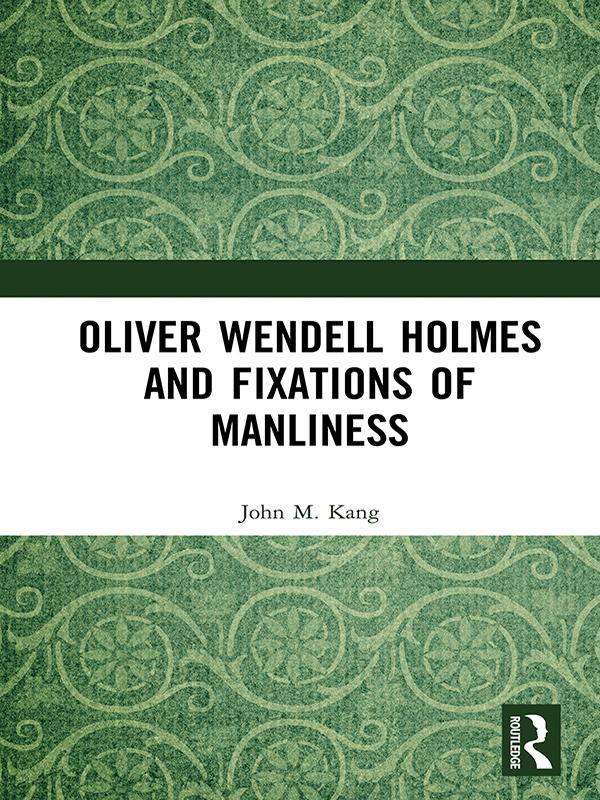
Oliver Wendell Holmes, Jr. has been, and continues to be, praised as America’s greatest judge and he is widely considered to have done more than anyone else to breathe life into the Constitution’s right of free speech, probably the most crucial right for democracy. One indeed finds among professors of constitutional law and federal judges the widespread belief that the scope of the First Amendment owes much of its incredible expansion over the last sixty years to Holmes’s judicial dissents in Abrams and Gitlow.
In this book, John M. Kang offers the novel thesis that Holmes’s dissenting opinions in Abrams and Gitlow drew in part from a normative worldview structured by an idiosyncratic manliness, a manliness which was itself rooted in physical courage. In making this argument, Kang seeks to show how Holmes’s justification for the right of speech was a bid to proffer a philosophical commentary about the demands of democracy.
Betal nemt med kort, Klarna, Apple Pay eller Google Pay. Ikke tilfreds? Du har altid 14 dages fortrydelsesret. Læs mere i vores vilkår. Har du spørgsmål, så send os en mail på hello@memmo.org.
Memmo gør det nemmere at studere – uanset hvor du er i verden. Hos os samler du dine kursusbøger og smarte studieværktøjer ét sted: resuméer, quizzer, podcasts og flashcards. Og så er der Ted, din studieven, der svarer på alt, du undrer dig over. Over 50 000 studerende studerer allerede her – bygget til at hjælpe dig med at lære hurtigere og stresse mindre.