
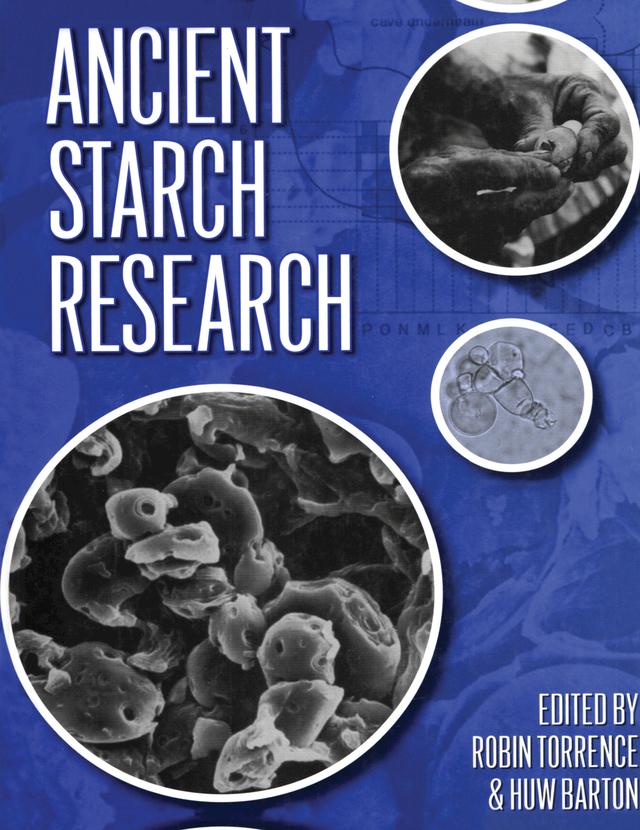
What role did plant resources have in the evolution of the human species? Why and how have plants been managed and transported to new environments? Where, how, and why were plants domesticated, and why do the patterns vary in different parts of the world? What is the relationship between the intensification of food production and the rise of complex societies? Numerous new studies are using starch granules discovered in archaeological contexts to answer these questions and improve our knowledge of past human behavior and environmental variation. Given the substantial body of successful research, the time has clearly come for a comprehensive description of ancient starch research and its potential for archaeologists. This book fills these roles by describing the fundamental principles underlying starch research, guiding researchers through the methodology, reviewing the results of significant case studies, and pointing the way to future avenues for research. The joint product of over two dozen archaeological scientists, Ancient Starch Research aims to bring the important new field of ancient starch analysis to the attention of a wider range of scholars and to provide them with the information needed to embark on their own research.
Betal nemt med kort, Klarna, Apple Pay eller Google Pay. Ikke tilfreds? Du har altid 14 dages fortrydelsesret. Læs mere i vores vilkår. Har du spørgsmål, så send os en mail på hello@memmo.org.
Memmo gør det nemmere at studere – uanset hvor du er i verden. Hos os samler du dine kursusbøger og smarte studieværktøjer ét sted: resuméer, quizzer, podcasts og flashcards. Og så er der Ted, din studieven, der svarer på alt, du undrer dig over. Over 50 000 studerende studerer allerede her – bygget til at hjælpe dig med at lære hurtigere og stresse mindre.
Du kan måske også lide
Køb bogen0