
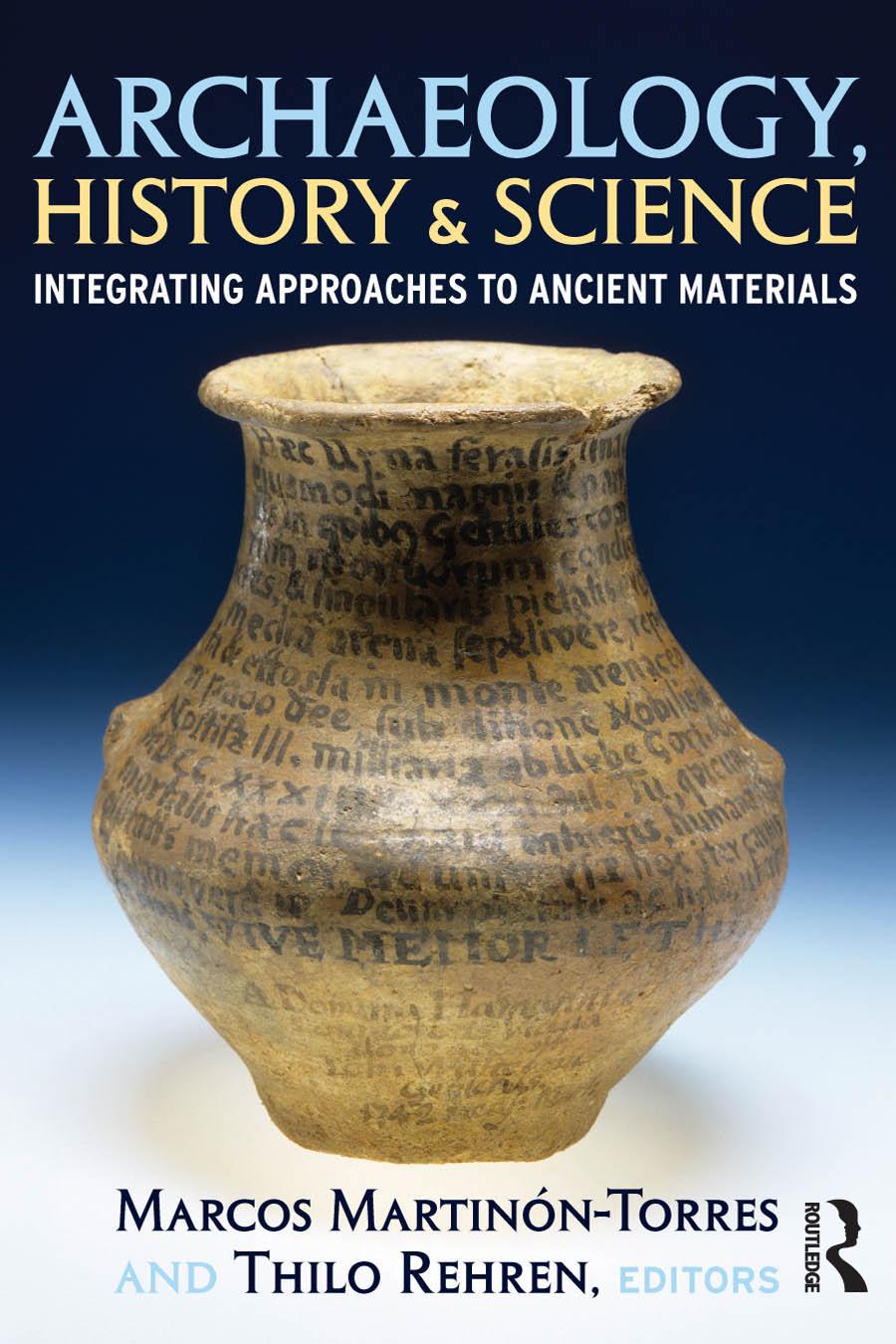
Using a combination of historical, archaeological, and scientific data is not an uncommon research practice. Rarely found, however, is a more overt critical consideration of how these sources of information relate to each other, or explicit attempts at developing successful strategies for interdisciplinary work. The authors in this volume provide such critical perspectives, examining materials from a wide range of cultures and time periods to demonstrate the added value of combining in their research seemingly incompatible or even contradictory sources. Case studies include explorations of the symbolism of flint knives in ancient Egypt, the meaning of cuneiform glass texts, medieval metallurgical traditions, and urban archaeology at industrial sites. This volume is noteworthy, as it offers novel contributions to specific topics, as well as fundamental reflections on the problems and potentials of the interdisciplinary study of the human past.
Betal nemt med kort, Klarna, Apple Pay eller Google Pay. Ikke tilfreds? Du har altid 14 dages fortrydelsesret. Læs mere i vores vilkår. Har du spørgsmål, så send os en mail på hello@memmo.org.
Memmo gør det nemmere at studere – uanset hvor du er i verden. Hos os samler du dine kursusbøger og smarte studieværktøjer ét sted: resuméer, quizzer, podcasts og flashcards. Og så er der Ted, din studieven, der svarer på alt, du undrer dig over. Over 50 000 studerende studerer allerede her – bygget til at hjælpe dig med at lære hurtigere og stresse mindre.
Du kan måske også lide
Køb bogen0